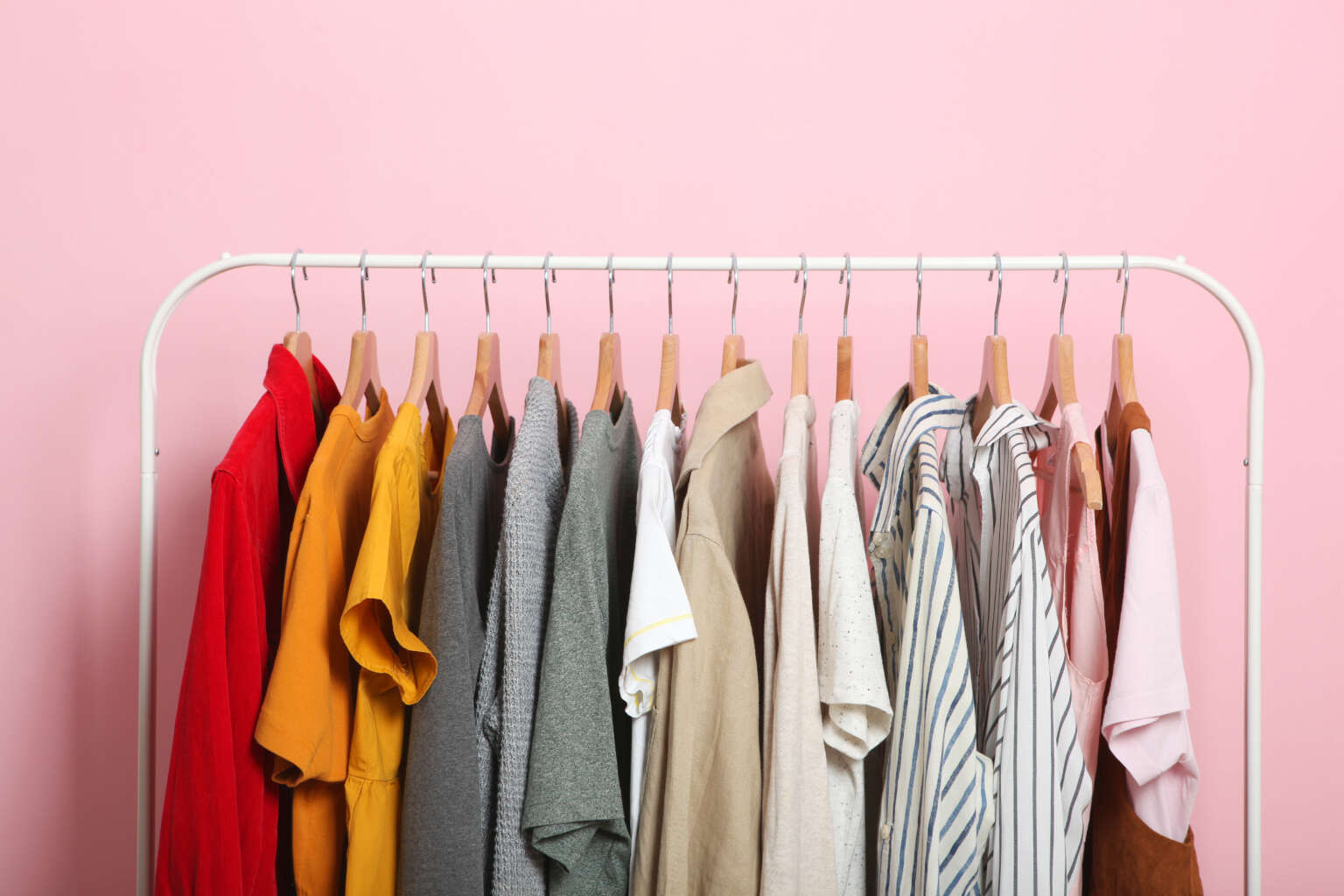
Unlocking the potential of high-earning fashion affiliate programs in the US market is the focus of this comprehensive guide. Discover how to navigate the diverse landscape of fashion affiliate opportunities and maximize your earning potential.
This guide dives deep into the specifics of lucrative fashion affiliate programs, covering everything from identifying top-performing programs to understanding the unique nuances of the US market. Learn actionable strategies for success, from crafting compelling content to leveraging social media and email marketing. We’ll also examine the challenges and solutions to help you navigate the industry effectively.
Introduction to Fashion Affiliate Programs
Affiliate marketing has become a significant aspect of the fashion industry, allowing individuals to earn commissions by promoting fashion products and brands. It offers a flexible income stream for those passionate about fashion, providing a way to connect with consumers and earn rewards for driving sales.Affiliate programs in fashion operate on a referral system. By utilizing various marketing channels, affiliates promote products or services to their audience.
When a sale results from an affiliate’s unique referral link or code, the affiliate earns a commission. This system empowers both brands and affiliates, creating a mutually beneficial relationship.
Different Types of Fashion Affiliate Programs
Fashion affiliate programs encompass a wide range of opportunities, from established designer brands to niche boutiques. Understanding the diverse options is key to finding a program that aligns with individual interests and goals.
- Designer Brands: Programs with high-end designers often offer lucrative commissions but may have stricter requirements for approval, such as established social media presence or significant experience in the fashion industry.
- Retailers: Large online retailers often provide a broad selection of fashion items and a variety of commission structures. This allows affiliates to cater to a wider audience and choose products that match their niche.
- Niche Boutiques: Specialized boutiques focusing on particular styles, sizes, or cultural trends offer a chance to target a highly engaged audience. These boutiques often cater to specific preferences and provide opportunities for affiliates to build a loyal customer base.
Commission Structures in Fashion Affiliate Programs
The commission structure varies significantly between programs. This is a crucial factor to consider when evaluating potential opportunities.
| Program Type |
Typical Commission Structure |
| Designer Brands |
Often percentage-based, with higher percentages for higher-priced items; tiered commissions are also common, offering increased rates for reaching specific sales targets. |
| Retailers |
Generally percentage-based, with a range of percentages depending on the product category and retailer. |
| Niche Boutiques |
Similar to retailers, often percentage-based but with the potential for higher commissions on specific items or promotions. |
Pros and Cons of Joining Fashion Affiliate Programs
Joining a fashion affiliate program presents both advantages and disadvantages. Careful consideration of these factors is vital before committing.
| Pros |
Cons |
| Flexibility and Control: Affiliate marketing allows individuals to work from anywhere, manage their own schedule, and promote products they are passionate about. |
Competition: The fashion industry is highly competitive, and success requires ongoing effort and a dedicated approach to promotion. |
| Potential for High Earnings: High-performing affiliates can earn significant income, particularly with high-ticket items or a large following. |
Varied Commission Structures: Different programs offer varying commission structures, requiring careful evaluation to identify programs with optimal returns. |
| Building a Personal Brand: Fashion affiliate programs provide a platform for building a personal brand and establishing expertise in the industry. |
Requires Time and Effort: Affiliate marketing demands consistent effort in promotion, content creation, and relationship building to generate sales. |
| Exposure to Fashion Trends: Staying updated on trends and new releases is essential to maintain relevance and attract consumers. |
Limited Control Over Product Selection: Affiliates may not always have a say in which products are featured in the program. |
Identifying High-Paying Programs
Unlocking the lucrative potential of fashion affiliate programs hinges on understanding the key factors driving profitability. Recognizing these elements allows you to strategically target programs offering the highest earning potential. A thorough comprehension of commission structures, brand popularity, and niche markets is crucial to maximizing your earnings.High-paying fashion affiliate programs are not just about luck; they are a result of careful planning and strategic partnerships.
Understanding the factors that drive profitability in this sector is vital for success.
Factors Determining Profitability
Understanding the factors that determine the profitability of fashion affiliate programs is essential for maximizing earnings. Brand popularity, product demand, and the commission structure itself all play crucial roles in driving revenue. A strong brand reputation, coupled with high demand for specific products, usually translates to a higher potential for affiliate earnings.
Commission Structures in Fashion
Different affiliate programs in the fashion industry employ varying commission structures. Analyzing these structures is essential to identify high-paying opportunities. Some programs offer flat commissions per sale, while others might use tiered structures based on the value of the sale. Others reward affiliates with recurring commissions from subscriptions or recurring revenue models.
- Flat Commission Structure: A fixed commission percentage is applied to each sale, regardless of the product price. This straightforward structure is common for many fashion brands. This model can be profitable for products with consistent high sales volume.
- Tiered Commission Structure: This model offers escalating commission rates based on the value of the sale. For example, a higher commission rate might be offered for sales exceeding a certain threshold. This structure can incentivize affiliates to promote higher-priced items, increasing potential earnings.
- Recurring Commission: Some fashion brands reward affiliates with recurring commissions for customer subscriptions, like a monthly box service or a membership. This model provides a consistent stream of income.
Significance of Niche Markets
Niche markets within the fashion industry offer substantial opportunities for higher earnings in affiliate programs. Targeting a specific segment of the market (e.g., plus-size fashion, sustainable clothing, or vintage apparel) can lead to a dedicated audience. This allows affiliates to focus on specific needs and desires, building a more loyal customer base.
High-Paying Fashion Affiliate Programs
Numerous fashion brands offer high-paying affiliate programs. Identifying these programs often involves exploring established retailers and brands with a strong online presence and high demand for their products.
- Luxury Brands: Luxury fashion brands often have high-value products, leading to potentially lucrative affiliate commissions. These programs frequently feature tiered structures, reflecting the high price points of the merchandise.
- Fast Fashion Retailers: Fast fashion retailers often use a flat commission structure for their affiliate programs, but the high volume of sales can still yield substantial earnings.
- Sustainable Fashion Brands: Eco-conscious consumers are a growing market segment, leading to increased demand for sustainable fashion brands. Affiliates who focus on this niche can tap into this trend.
Table of Top-Performing Fashion Affiliate Programs
| Brand/Retailer |
Commission Rate |
Product Focus |
| Anthropologie |
5-10% |
Bohemian, trendy clothing and accessories |
| ASOS |
5-10% |
Wide range of fashion items |
| Revolve |
5-10% |
Trendy, high-end clothing and accessories |
| Everlane |
8-12% |
Sustainable, high-quality clothing |
Note: Commission rates can vary depending on the specific program and affiliate. This table provides a general overview of some top-performing programs.
Analyzing the USA Market
The US fashion market is a significant and dynamic arena for affiliate marketers. Understanding the current trends, popular brands, and regional preferences is crucial for maximizing affiliate income potential. This analysis will illuminate key factors for success in this market.The US fashion market is a complex tapestry woven from diverse consumer preferences and brand loyalties. Examining the current state, prevalent trends, and regional nuances will provide a clearer picture of opportunities for affiliate marketers.
Current State of the Fashion Affiliate Market in the USA
The US fashion affiliate market is robust, driven by the country’s strong e-commerce presence and the vast array of fashion brands and retailers available. Significant competition exists, requiring marketers to differentiate themselves through unique approaches to engagement and promotion.
Prevailing Trends and Preferences Among US Fashion Consumers
Consumer preferences in the US fashion market are constantly evolving. Sustainability, inclusivity, and personalized experiences are emerging as key trends. Consumers are increasingly seeking brands that align with their values, and personalized recommendations and experiences play a crucial role in purchasing decisions.
Popular Fashion Brands and Retailers in the USA and their Affiliate Program Availability
Several well-established brands and retailers in the US boast strong affiliate programs. Examples include Amazon, Nordstrom, Macy’s, and a range of niche brands catering to specific styles, sizes, and demographics. However, program availability and commission structures vary considerably. Directly contacting brands for affiliate program details is crucial for precise information.
Geographic Regions or Demographics with Highest Potential for Fashion Affiliate Income
Identifying high-potential regions or demographics allows for targeted marketing strategies. Urban areas with strong cultural influences and a large millennial/Gen Z population often demonstrate high fashion engagement. Additionally, specific online communities or niche interest groups may yield high-value affiliate opportunities.
Comparison of Affiliate Program Performance Across Different Regions in the USA
| Region |
Key Trends |
Popular Brands |
Potential for Income |
Affiliate Program Availability |
| Northeast (e.g., New York, Boston) |
Trendy, high-fashion, and diverse |
Luxury brands, fast fashion, and designer retailers |
High, due to high disposable income and fashion awareness |
Good availability, but competition is high |
| Midwest (e.g., Chicago, Minneapolis) |
Practical, value-driven, and evolving towards sustainability |
Mainstream retailers, value-focused brands, and sustainable options |
Moderate, balanced between high-end and value |
Moderate availability |
| South (e.g., Atlanta, Dallas) |
Trendy, with a focus on Southern charm, and diverse fashion styles |
Luxury brands, mid-range retailers, and Southern-inspired brands |
Moderate to high, depending on the specific brand |
Good availability, but competition varies |
| West Coast (e.g., Los Angeles, San Francisco) |
Trend-setting, a blend of luxury and casual wear, and a strong online presence |
Luxury brands, fast fashion, and environmentally conscious options |
High, due to high disposable income and strong fashion consciousness |
Good availability, high competition |
This table offers a rudimentary comparison. More granular analysis, including specific demographic data and brand-specific affiliate program performance, is needed for more precise assessments.
Amazon Affiliate Program Analysis
The Amazon Affiliate Program stands as a prominent player in the online affiliate marketing landscape, particularly for fashion products. Its vast inventory and established customer base make it a compelling option for affiliates. Understanding its structure and commission model is crucial for maximizing potential earnings.The program’s extensive reach and diverse product offerings provide a wide range of opportunities for fashion-focused promotion.
Navigating the program’s intricacies and comparing it to other high-paying options will illuminate its strengths and weaknesses within the fashion niche.
Amazon Affiliate Program Structure and Commission Model
Amazon’s affiliate program is built on a performance-based commission structure. Affiliates earn a percentage of the sale price of qualifying products they drive to Amazon. The commission rate varies depending on the product category, with fashion often falling within a tiered system. This tiered system can offer opportunities for substantial earnings, especially for high-value fashion items. Amazon often adjusts its commission rates, so constant monitoring is key.
The program also offers various tools and resources to help affiliates track their performance and optimize their strategies.
Comparison to Other High-Paying Fashion Affiliate Programs
While Amazon offers significant potential, comparing it to other top-tier fashion affiliate programs reveals variations in commission structures and promotional opportunities. Some programs may specialize in luxury fashion, offering higher commissions on premium items. Others might focus on specific fashion niches like sustainable or ethical fashion, allowing affiliates to target a more specialized audience. A crucial factor in comparison is the program’s overall reach and customer demographics.
The size and nature of Amazon’s customer base are substantial but might not be as tailored to niche fashion interests as some alternative programs.
Advantages of Promoting Fashion Products through Amazon
- Vast Product Selection: Amazon’s expansive catalog provides a wide range of fashion products, allowing affiliates to cater to diverse customer needs and preferences. This broad selection allows for targeted marketing campaigns based on specific fashion trends.
- Established Customer Base: Amazon’s massive customer base translates into a significant potential audience for affiliate marketers. This built-in audience is a major advantage, especially for reaching a broad range of consumers interested in fashion.
- Built-in Trust and Recognition: Amazon’s reputation for reliability and customer service instills trust in consumers. Affiliates can leverage this trust to drive sales and build credibility within the fashion niche.
Disadvantages of Promoting Fashion Products through Amazon
- High Competition: Amazon’s popularity leads to high competition among affiliates, requiring significant effort to stand out and attract customers.
- Commission Rate Variations: Commission rates can fluctuate and vary across different product categories, which might affect profitability for certain fashion items.
- Amazon’s Policies: Strict adherence to Amazon’s affiliate program policies is crucial to avoid account suspension or penalties, which can significantly impact affiliate earnings.
Maximizing Earnings through the Amazon Fashion Affiliate Program
- Niche Down: Specializing in a particular fashion segment (e.g., plus-size clothing, vintage fashion, or sustainable fashion) allows for targeted marketing and a stronger connection with specific customer demographics.
- High-Quality Content: Creating engaging and informative content focused on fashion products is essential for driving traffic and conversions. Highlighting unique features, details, and customer reviews enhances the user experience.
- Effective Marketing Strategies: Leveraging social media, email marketing, and other digital marketing channels can help reach a wider audience and promote fashion items effectively.
Key Features of the Amazon Affiliate Program (Fashion Focus)
| Feature |
Description |
| Commission Structure |
Performance-based; tiered commission rates for fashion items; regular rate adjustments. |
| Product Selection |
Vast array of fashion products across various styles, sizes, and brands. |
| Tracking Tools |
Comprehensive tools to monitor affiliate performance, including sales and earnings. |
| Customer Base |
Large, diverse customer base interested in a broad range of fashion items. |
| Program Policies |
Strict policies to maintain program integrity; adherence is crucial for continued participation. |
Strategies for Success
Affiliate marketing in the fashion niche, like any other, requires a strategic approach. A strong foundation of high-quality content, coupled with savvy tactics and social media engagement, significantly increases your chances of success. Choosing the right products to promote and efficiently managing multiple programs are also critical components of a profitable affiliate marketing strategy.
High-Quality Content Creation
Crafting compelling and informative content is paramount for driving conversions in the fashion industry. Blog posts, articles, and social media updates should showcase a deep understanding of fashion trends, provide insightful analyses of products, and offer unique perspectives on the styles and designs. Authenticity and a genuine passion for fashion will resonate with your audience. Visuals play a crucial role; high-quality images and videos of the promoted products are essential for engaging content.
Optimization for Fashion Affiliate Links
Search Engine Optimization () is vital for directing organic traffic to your fashion affiliate links. Thorough research is crucial to identify terms relevant to the fashion products you promote. Optimize your website content, product descriptions, and blog posts with these s to enhance visibility in search engine results pages (SERPs). Technical aspects like site speed and mobile-friendliness should also be considered for a better user experience.
By prioritizing best practices, you maximize the reach of your affiliate links and attract potential customers searching for specific fashion items.
Building a Fashion-Focused Audience
Developing a dedicated audience is crucial for long-term affiliate success. Consistent posting on social media platforms like Instagram, Pinterest, and TikTok, along with a well-maintained blog, can foster a loyal following. Interact with your audience by responding to comments, asking questions, and hosting Q&A sessions. Showcase behind-the-scenes glimpses of your work, personal style, and insights into the fashion industry to connect with your audience on a deeper level.
Create engaging content that caters to the specific interests of your target audience.
Choosing Profitable Fashion Products
Selecting the right products to promote is a critical aspect of maximizing affiliate income. Consider your audience’s preferences, current trends, and the potential for high conversion rates. Analyze the profitability of different products by checking their commission rates, demand, and competitor analysis. Collaborate with brands that align with your personal style and aesthetic to ensure your promotions resonate with your followers.
Managing Multiple Fashion Affiliate Programs
Managing multiple fashion affiliate programs can become overwhelming without a well-defined strategy. Utilize spreadsheet software or project management tools to track commissions, sales, and performance metrics for each program. Categorize programs based on product type, target audience, or commission structure. Develop a consistent approach for presenting product information across various programs to maintain brand consistency. Establish clear goals and KPIs for each program to track progress and make data-driven decisions.
Illustrative Examples of Successful Campaigns
Fashion affiliate marketing campaigns can yield substantial returns when executed strategically. Successful campaigns leverage a combination of product knowledge, audience understanding, and engaging content to drive sales. This section delves into successful campaign examples, highlighting key elements and actionable strategies.
A Case Study of a Successful Fashion Campaign
A fashion blogger, known for her relatable style and engaged Instagram following, partnered with a sustainable clothing brand. The campaign centered on highlighting the brand’s eco-friendly practices and unique design aesthetic. The blogger created several posts showcasing the clothing items, emphasizing the brand’s ethical sourcing and innovative materials. She also hosted a live Q&A session with a brand representative, addressing audience concerns and building trust.
This comprehensive approach fostered strong engagement and generated high conversion rates. The campaign generated a significant increase in sales for the brand, exceeding initial projections.
Key Elements Contributing to Campaign Success
Several factors contribute to a successful fashion affiliate campaign. A strong understanding of the target audience’s preferences is crucial. The content created should resonate with the audience’s values and interests, showcasing products in a way that aligns with their aesthetic. Furthermore, building trust with the audience is paramount. Authenticity and transparency in the content create a positive perception of the brand and the affiliate.
Finally, utilizing a variety of promotional channels—social media, email, and blog posts—maximizes reach and engagement. High-quality visuals and compelling storytelling are essential to capturing attention and driving conversions.
Comparing Successful Fashion Affiliate Campaigns
| Campaign |
Target Audience |
Promotional Channels |
Key Strategies |
Results |
| Sustainable Fashion Blogger |
Eco-conscious fashion enthusiasts |
Instagram, blog posts, live Q&A |
Highlighting ethical sourcing, innovative designs |
Significant sales increase, exceeding projections |
| Luxury Brand Influencer |
High-net-worth individuals |
Instagram, YouTube, collaborations with stylists |
Showcasing exclusive collections, high-end styling |
Strong brand visibility, increased sales volume |
| Affordable Fashion Micro-influencer |
Budget-conscious fashion shoppers |
TikTok, Instagram, YouTube |
Demonstrating affordable stylish looks, creating relatable content |
Significant increase in website traffic and sales |
This table illustrates the diverse approaches used in successful fashion affiliate campaigns. Different campaigns target various demographics and utilize varying promotional strategies, reflecting the adaptability needed for success in this field.
Leveraging Social Media for Fashion Promotion
Social media platforms offer a vast reach for fashion affiliate marketers. Visual platforms like Instagram and Pinterest are ideal for showcasing stylish product imagery. Short-form video platforms like TikTok allow for engaging content that showcases products in context. The key is to create content that aligns with the platform’s format and resonates with the target audience. Utilizing relevant hashtags, collaborating with other influencers, and engaging in discussions further amplify reach and impact.
Understanding the nuances of each platform—their audience, their content trends—is critical for successful social media marketing.
Utilizing Email Marketing for Fashion Affiliate Products
Email marketing remains a powerful tool for nurturing leads and driving sales in the fashion industry. By segmenting the email list based on customer interests and preferences, businesses can tailor promotional content to specific audiences. The use of attractive visuals, clear calls to action, and personalized recommendations further increases engagement. Integrating email marketing with other channels like social media and the website creates a comprehensive strategy for driving conversions.
The emphasis on building a relationship with subscribers through valuable content and exclusive offers significantly enhances the effectiveness of email marketing.
Potential Challenges and Solutions
Navigating the fashion affiliate marketing landscape presents unique hurdles. Competition is fierce, and maintaining relevance in a rapidly evolving market requires adaptability and strategic thinking. This section explores common challenges and provides actionable solutions to help affiliate marketers thrive in this dynamic space.
Common Challenges Faced by Fashion Affiliate Marketers
Competition from established players and new entrants is intense. Maintaining a consistent brand presence while promoting diverse product lines can be complex. Maintaining brand consistency across numerous fashion items is a key challenge. Maintaining high levels of customer engagement and satisfaction while juggling numerous campaigns is crucial for success. Tracking and optimizing performance across multiple platforms and products demands efficient strategies.
Strategies for Overcoming Challenges
To thrive in a competitive market, affiliate marketers must prioritize niche specialization. Focusing on a specific fashion segment (e.g., sustainable fashion, plus-size clothing, or athletic wear) allows for a more targeted approach and stronger brand identity. Building strong relationships with fashion brands is crucial. Affiliate marketers should seek out brands that align with their values and aesthetic to ensure their promotion resonates with their target audience.
This collaboration can provide exclusive opportunities and content. Adapting to evolving trends and consumer preferences is paramount. Keeping up with the latest fashion trends and consumer demands through research and social media monitoring will ensure your promotions stay current. Creating compelling and engaging content that showcases products in a unique and aesthetically pleasing way is crucial.
High-quality images, detailed descriptions, and authentic reviews help elevate the promotion’s impact.
Maintaining Brand Consistency
Maintaining a cohesive brand identity while promoting various fashion products requires a clear brand guideline document. This document should Artikel the brand’s tone of voice, visual style (color palettes, typography, imagery), and overall aesthetic. A consistent brand voice across all platforms and promotions creates a recognizable and trustworthy presence. Using a unified brand style guide helps avoid visual inconsistencies.
Managing Customer Relationships
Building strong customer relationships in the fashion affiliate space requires personalized communication. Responding promptly to inquiries, providing helpful product information, and offering exclusive deals to loyal customers fosters trust and loyalty. Providing excellent customer service is essential. Building a dedicated customer support system that can promptly answer questions and address concerns is crucial.
Table of Common Issues and Solutions for Fashion Affiliate Marketers
| Common Issue |
Solution |
| High Competition |
Niche Specialization, Brand Partnerships, Adaptability to Trends |
| Maintaining Brand Consistency |
Develop a Clear Brand Guideline Document, Maintain a Unified Visual Style, Consistent Tone of Voice |
| Managing Diverse Product Lines |
Prioritize Niche Specialization, Partner with Brands Aligned with Aesthetic, Create Compelling Product Content |
| Customer Engagement |
Personalized Communication, Exclusive Deals, Excellent Customer Service, Dedicated Support System |
| Performance Tracking and Optimization |
Use Analytical Tools, Track Key Metrics, A/B Testing, Continuous Monitoring |
Concluding Remarks
In conclusion, maximizing earnings from fashion affiliate programs in the US demands a strategic approach. By understanding the market, identifying high-paying programs, and implementing effective strategies, you can unlock significant revenue streams. This guide provides the essential knowledge and actionable steps to achieve success in this dynamic field.
Quick FAQs
What are some common challenges faced by fashion affiliate marketers?
Maintaining brand consistency across multiple products, managing customer relationships effectively, and staying updated on trends are common challenges. Effective solutions involve careful planning, excellent communication, and continuous learning.
How can I choose profitable fashion products to promote?
Researching high-demand products with good commission rates is crucial. Analyzing market trends, competitor offerings, and customer preferences can help identify winning products.
What are the advantages and disadvantages of promoting fashion products through the Amazon affiliate program?
Amazon offers a large audience and established infrastructure. However, competition can be fierce. Knowing how to stand out from the crowd is key.
What are some examples of high-paying fashion affiliate programs in the US?
Many well-known retailers and designer brands offer attractive affiliate programs. Researching top performers and their commission structures is recommended.