May 25, 2026

investment

With bitcoin news korea at the forefront, this exploration into the South Korean cryptocurrency scene reveals an intricate tapestry of innovation, regulation, and cultural impact. The rapid adoption of Bitcoin in Korea has transformed the financial landscape, attracting diverse demographics and sparking significant conversations about investment opportunities.

The significance of Bitcoin in South Korea cannot be understated, as it has become a major player in the country’s financial market. From its historical adoption trends to the current regulatory landscape, understanding Bitcoin’s role is essential for anyone looking to navigate the evolving crypto environment.

Overview of Bitcoin in Korea

Bitcoin has emerged as a significant player in the South Korean financial market, capturing the attention of investors and regulators alike. The rapid adoption of cryptocurrency, particularly Bitcoin, is a testament to the country’s tech-savvy population and innovative spirit. Historically, South Korea has shown an enthusiastic embrace of Bitcoin, with trends indicating a steady increase in both user adoption and market activity.Over the years, the demographics of Bitcoin users in Korea have evolved.

Initially, early adopters were predominantly young tech professionals, but the user base has expanded to include a broader age range, reflecting a growing interest among older generations as well. This demographic shift highlights the increasing mainstream acceptance of Bitcoin as a viable investment and financial instrument.

Regulatory Landscape

The regulatory landscape surrounding Bitcoin in Korea has been dynamic and continuously evolving. The South Korean government has implemented various regulations to ensure consumer protection and prevent illicit activities. These regulations have shaped the way Bitcoin is traded and invested in the country, influencing trading behaviors and investment strategies.Recent changes in policies have focused on enhancing transparency and security within cryptocurrency exchanges.

The Financial Services Commission (FSC) has mandated that exchanges comply with strict anti-money laundering (AML) and know-your-customer (KYC) rules. These regulations have impacted the operational framework of exchanges, leading to increased trust among users and more robust market practices.

Market Trends and Developments

Analyzing the latest trends in Bitcoin prices within the Korean market reveals a volatile yet promising environment. The price of Bitcoin has experienced fluctuations affected by global market sentiments and domestic regulatory news. Major exchanges like Upbit and Bithumb play a crucial role in shaping market dynamics, often accounting for a significant portion of Bitcoin trading volume in Korea.Statistics indicate a robust increase in trading volumes, reflecting heightened user activity in the Korean Bitcoin market.

During peak trading hours, exchanges report significant volumes, showcasing the growing interest and participation from both retail and institutional investors.

Cultural Impact

The cultural perception of Bitcoin and cryptocurrencies in South Korea is increasingly positive, thanks in part to extensive media coverage. Various news outlets and social media platforms have played a pivotal role in shaping public opinion, often portraying Bitcoin as an innovative financial instrument with potential for high returns.Public figures and influencers, including prominent entrepreneurs and financial analysts, have also contributed to the positive narrative surrounding Bitcoin.

Their endorsements and discussions have further legitimized Bitcoin within the culture, making it not just a financial asset but also a topic of regular conversation among the general populace.

Investment Opportunities and Risks

The Korean Bitcoin landscape presents numerous investment opportunities, driven by the increasing adoption of digital currencies. Investors can explore various strategies tailored to the local market, leveraging the growing acceptance and usage of Bitcoin. However, it is essential to recognize the inherent risks associated with investing in cryptocurrencies.Here is a comparison table of various investment strategies tailored for the Korean market:

Investment Strategy Risk Level Potential Return Notes
Long-term Holding Moderate High Ideal for investors willing to withstand market volatility.
Day Trading High Very High Requires experience and thorough market analysis.
Dollar-Cost Averaging Low Moderate Effective for risk-averse investors.

Technological Innovations

Technological advancements supporting Bitcoin transactions in Korea are rapidly developing, with innovative solutions being implemented to enhance user experience and security. Blockchain technology plays a vital role, extending beyond Bitcoin to various applications across industries in Korea.Numerous startups are emerging, focusing on Bitcoin-related services, from wallet development to payment solutions. These innovations are creating a more robust infrastructure for cryptocurrency transactions, fostering greater adoption and usability among consumers.

Future Outlook

Predictions regarding the future of Bitcoin in South Korea are optimistic, with expectations of continued growth and increased user adoption. However, potential challenges could affect this trajectory, including regulatory hurdles and market volatility. Upcoming events and initiatives related to Bitcoin in Korea are poised to further engage the community and promote awareness. Conferences, workshops, and educational programs are being organized to inform potential investors and enthusiasts about the benefits and risks of investing in Bitcoin.

Keeping an eye on these developments will be crucial for stakeholders interested in the Korean Bitcoin market.

Last Word

In summary, the future of Bitcoin in South Korea appears promising yet fraught with challenges. As regulations evolve and market dynamics shift, staying informed about these developments will be crucial for investors and enthusiasts alike. The cultural perceptions and technological innovations surrounding Bitcoin continue to shape its journey, making it an exciting space to watch.

Q&A

What is the current state of Bitcoin regulations in Korea?

The South Korean government has implemented strict regulations on cryptocurrency exchanges to enhance security and protect investors, which has influenced trading behaviors.

How has media coverage affected public perception of Bitcoin in Korea?

Media coverage plays a significant role in shaping public opinion, often highlighting both the opportunities and risks associated with Bitcoin, thus impacting its adoption rates.

What are the major exchanges for Bitcoin trading in Korea?

Upbit and Bithumb are two of the largest cryptocurrency exchanges in South Korea, significantly influencing market trends and trading volumes.

What investment strategies are popular among Bitcoin investors in Korea?

Korean investors often explore a range of strategies, including short-term trading, long-term holding, and diversifying into other cryptocurrencies, depending on market conditions.

Are there any significant events related to Bitcoin planned in Korea?

Yes, various blockchain conferences and crypto meetups are scheduled throughout the year, providing platforms for discussing innovations and networking within the industry.

ethereum us company takes center stage as we delve into the transformative journey of Ethereum in the American business landscape. With its groundbreaking technology, Ethereum is not just a buzzword; it’s a catalyst for innovation, reshaping how businesses operate across various sectors.

From driving technological advancements to influencing investment trends, Ethereum’s footprint is expanding rapidly among US companies. This exploration will uncover the regulatory landscape, practical applications, and the future potential of Ethereum in the corporate world, illustrating its significant role in modern business practices.

Understanding Ethereum’s Impact on US Companies

Ethereum has made a significant impact on the technology sector in the United States, driving innovation and reshaping how businesses operate. As a decentralized platform that enables smart contracts and decentralized applications (dApps), Ethereum is at the forefront of a technological revolution that is influencing various industries across the nation.The influence of Ethereum extends beyond just cryptocurrency; it serves as a catalyst for innovation, allowing US companies to explore new business models and improve operational efficiency.

Many companies have recognized the potential of Ethereum to streamline processes, enhance transparency, and reduce costs.

Influence of Ethereum on the Technology Sector in the US

Why Ethereum Is Popular - Inventiva

The technology sector in the US has witnessed substantial changes due to Ethereum’s introduction. Key innovations driven by Ethereum include:

  • Smart Contracts: Automated contracts that execute when predetermined conditions are met, improving speed and reducing the need for intermediaries.
  • Decentralized Finance (DeFi): A financial ecosystem built on Ethereum that offers services without traditional banks, allowing more access for users.
  • Tokenization: The ability to create digital representations of assets on the blockchain, enhancing liquidity for various sectors.

Key US Companies that Have Adopted Ethereum Technology

Several prominent US companies have embraced Ethereum, realizing its potential to transform their operations. Notable examples include:

  • Microsoft: Utilizing Ethereum for various blockchain-based services and applications.
  • IBM: Implementing Ethereum technology in supply chain solutions to enhance transparency and tracking.
  • Walmart: Exploring Ethereum for better inventory management and logistics tracking.

Regulatory Landscape for Ethereum in the US

The regulatory framework surrounding Ethereum is evolving as lawmakers and regulators strive to understand and manage the implications of blockchain technology. The current laws aim to balance innovation with consumer protection, but clarity is often lacking.Some challenges faced by US companies include navigating complex and sometimes inconsistent regulations. Compliance can be particularly difficult, especially with varying approaches taken by different states regarding Ethereum and blockchain technology.

Current Regulatory Framework Surrounding Ethereum in the United States

The regulatory landscape includes several key components:

  • Federal Regulations: The SEC has classified Ethereum as a commodity rather than a security, impacting how it is regulated.
  • State Regulations: Some states have more progressive laws supporting blockchain technology, while others are more restrictive.
  • Tax Implications: Businesses must navigate tax laws that apply to cryptocurrency transactions, which can vary significantly by jurisdiction.

Challenges for US Companies Regarding Compliance and Regulation

US companies face numerous challenges when it comes to regulatory compliance in relation to Ethereum:

  • Unclear Regulations: The lack of a unified regulatory framework can lead to confusion and potential non-compliance.
  • Cost of Compliance: Adhering to various regulations often requires significant financial resources and expertise.
  • Frequent Changes: Rapidly changing regulations can present a moving target for companies trying to stay compliant.

Use Cases of Ethereum Among US Companies

Numerous US companies are leveraging Ethereum technology to enhance their business operations. The versatility of Ethereum allows for various applications across different industries.

Specific Examples of US Companies Utilizing Ethereum

Several noteworthy examples illustrate how companies effectively use Ethereum:

  • Unispace: A workspace management company that uses Ethereum to streamline lease agreements through smart contracts.
  • ChainSafe Systems: A development company that builds Ethereum-based applications, focusing on decentralized solutions.
  • Everledger: A company utilizing Ethereum for tracking the provenance of diamonds using blockchain technology.

Industries Leveraging Ethereum Technology

Ethereum technology is being utilized across a variety of industries in the US:

  • Finance: Banks and financial institutions are exploring Ethereum for secure and transparent transactions.
  • Insurance: Companies are employing smart contracts for claims processing and policy management.
  • Healthcare: Ethereum is being used to manage patient records securely, enhancing data privacy and interoperability.

The Future of Ethereum in the US Market

The future of Ethereum in the US market looks promising, with significant trends expected to shape its adoption over the next decade. As the technology matures, so will its applications and relevance in various sectors.

Potential Trends for Adoption of Ethereum

Ethereum (ETH) Price Marks a Slight Increase as First Release of Casper ...

The following trends indicate how Ethereum will likely be adopted by US companies:

  • Increased Integration: More companies will integrate Ethereum into their existing systems, recognizing its potential for efficiency.
  • Broader Acceptance: As regulatory clarity improves, more businesses will be willing to explore Ethereum-based solutions.
  • Growth of DeFi: The DeFi sector is expected to continue expanding, offering new financial products and services.

Influence of Ethereum on Competitive Landscape

Ethereum could significantly influence the competitive landscape in various industries by:

  • Enabling New Market Entrants: Lower barriers to entry for startups can disrupt traditional business models.
  • Enhancing Efficiency: Companies adopting Ethereum can achieve operational efficiencies that give them a competitive edge.
  • Fostering Innovation: The collaborative nature of blockchain encourages innovation and shared solutions within industries.

Investment Opportunities Related to Ethereum

Investment trends focused on US companies involved with Ethereum are gaining traction as more venture capitalists see potential in this emerging technology.

Venture Capital Impact on Ethereum-Based Startups

Venture capital is playing a pivotal role in the growth of Ethereum-based startups, as seen in the following trends:

  • Increased Funding: A surge in investments directed toward blockchain technology and Ethereum solutions.
  • Accelerators and Incubators: Programs dedicated to nurturing blockchain startups, providing resources and mentorship.
  • Strategic Partnerships: Collaborations between traditional firms and blockchain startups to leverage Ethereum technology.

Comparison of Traditional vs. Blockchain-Based Investments

When comparing traditional investment models to blockchain-based investments in Ethereum-related companies, several distinctions arise:

  • Liquidity: Blockchain investments often provide enhanced liquidity through tokenization, allowing easier entry and exit from investments.
  • Transparency: Blockchain offers greater transparency in transactions, enhancing investor trust.
  • Decentralization: Unlike traditional investments, blockchain-based investments can operate without centralized control, reducing risks associated with management decisions.

Challenges and Risks for US Companies Using Ethereum

While Ethereum presents numerous opportunities, US companies must also be aware of the challenges and risks associated with its adoption.

Technical Challenges in Integrating Ethereum

US companies encounter various technical challenges when integrating Ethereum into their systems:

  • Scalability: As the user base grows, ensuring the network can handle an increased load is paramount.
  • Interoperability: Companies may struggle to integrate existing systems with the Ethereum blockchain effectively.
  • Security: Ensuring the security of smart contracts and blockchain applications is crucial to prevent hacks and exploits.

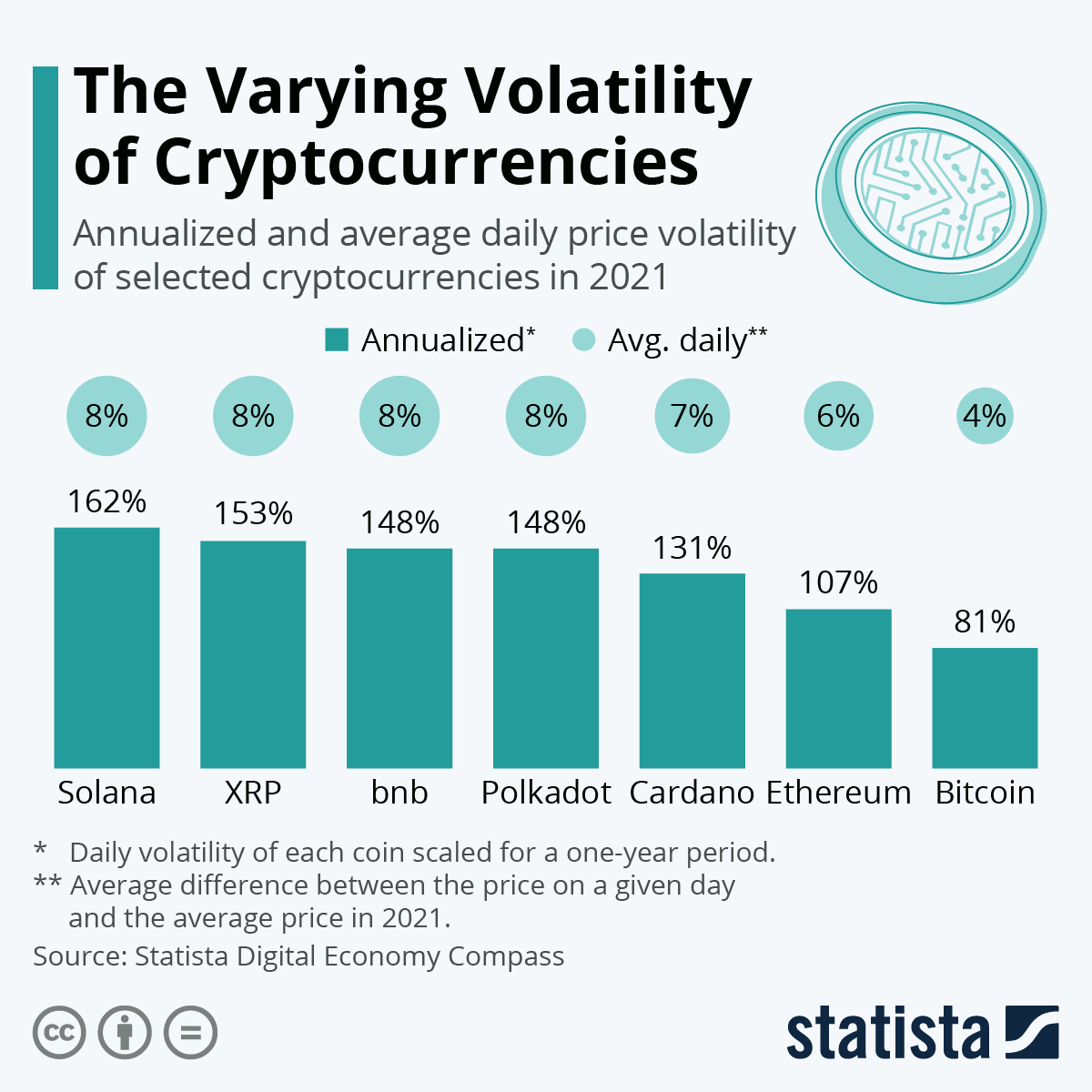
Volatility Risks in the Ethereum Market

The volatility of the Ethereum market poses significant risks for businesses:

  • Investment Value Fluctuations: Companies holding Ethereum as an asset face risks associated with sudden price changes.
  • Operational Costs: The costs associated with transactions on the Ethereum network can vary, impacting budgeting for projects.
  • Market Sentiment: The influence of market sentiment can lead to unpredictable trading behavior, affecting long-term planning.

Case Studies of Successful Ethereum Implementations

Numerous US companies have successfully implemented Ethereum projects, showcasing the platform’s potential.

Successful Ethereum Projects Launched by US Companies

A closer look at successful Ethereum initiatives reveals key factors contributing to their success:

  • Supply Chain Innovations: Companies like VeChain have leveraged Ethereum to enhance supply chain transparency, leading to reduced fraud and waste.
  • Decentralized Applications: Companies such as Golem have utilized Ethereum to create decentralized computing power marketplaces.
  • Real Estate Tokenization: Platforms like Propy have pioneered the use of Ethereum for real estate transactions, simplifying property ownership transfers.

Lessons Learned from Failures in Ethereum Implementations

While many projects have succeeded, there have also been failures that provide valuable lessons:

  • Lack of Market Research: Projects that failed to identify user needs often struggled to gain traction.
  • Overly Complex Solutions: Simplifying user experience was crucial for project success, as overly technical solutions deterred adoption.
  • Regulatory Missteps: Companies that did not anticipate regulatory challenges faced significant setbacks in their Ethereum implementations.

Last Recap

In conclusion, the rise of ethereum us company signifies a pivotal shift in the operational strategies of many American businesses. By embracing Ethereum, these companies are not only enhancing efficiency but also navigating the complexities of a rapidly evolving market. As we look ahead, the continued integration of Ethereum promises exciting opportunities and challenges that will shape the future of industries across the United States.

FAQ Resource

What is Ethereum?

Ethereum is a decentralized blockchain platform that enables smart contracts and decentralized applications (dApps) to be built and run without the need for a central authority.

How are US companies using Ethereum?

US companies are utilizing Ethereum for various purposes, including smart contracts, supply chain management, and digital asset creation, enhancing their operational efficiency and transparency.

What challenges do US companies face with Ethereum?

Challenges include regulatory compliance, market volatility, and technical integration issues, which can hinder the adoption of Ethereum in business processes.

Is Ethereum a good investment for US companies?

Investing in Ethereum can be promising due to its potential for growth, but it also carries risks, including price volatility and regulatory uncertainties.

What are smart contracts?

Smart contracts are self-executing contracts with the terms of the agreement directly written into code, allowing for automatic execution when conditions are met.

Crypto OTC companies represent a crucial segment of the cryptocurrency ecosystem, allowing for transactions that circumvent traditional exchanges. These firms cater to institutional investors and high-net-worth individuals who seek to buy or sell significant amounts of crypto assets without drawing attention to their trades.

In essence, OTC trading provides a personalized approach, facilitating large transactions with enhanced privacy and minimal market disruption. As the demand for cryptocurrency grows, understanding the role and advantages of these companies becomes increasingly important for investors looking to navigate this evolving landscape.

Understanding Crypto OTC Companies

Crypto Trading Royalty Free Stock SVG Vector and Clip Art

In the realm of cryptocurrency, Over-The-Counter (OTC) trading plays a significant role, particularly for large transactions that require discretion and efficiency. OTC trading refers to the process of buying and selling assets directly between two parties, rather than through a centralized exchange. This method is particularly beneficial in the volatile crypto market, where price fluctuations can occur rapidly.Crypto OTC companies serve as intermediaries in the digital asset market, facilitating trades that may be too large or complex for traditional exchanges.

These firms provide a vital service by connecting buyers and sellers, often catering to institutional investors who seek to execute large-volume trades with minimal market disruption. Unlike traditional exchange trading, where order books and matching engines handle transactions publicly, OTC trading operates behind the scenes, offering a more personalized and less transparent environment.

Functions of Crypto OTC Companies

The State of Web3 in 2023. 2022 was very stressful for many web3… | by ...

Crypto OTC companies offer a range of services designed to meet the needs of their clients. The primary functions include:

  • Facilitating large transactions: OTC firms specialize in handling significant buy or sell orders that could adversely affect market prices if executed on traditional exchanges.
  • Providing liquidity: These companies play a crucial role in ensuring that there is sufficient liquidity in the market, allowing for smoother execution of large trades.
  • Offering personalized service: OTC providers often work closely with clients to tailor their trading strategies according to specific needs.

The importance of liquidity provision cannot be overstated; it allows large institutional investors to enter and exit positions without causing significant price fluctuations. By facilitating large transactions discreetly, crypto OTC firms help maintain market stability.

Benefits of Using Crypto OTC Companies

OTC trading presents several advantages, particularly for institutional investors who require a different approach than retail traders. These benefits include:

  • Privacy and security: OTC services typically offer better confidentiality, ensuring that large transactions do not attract unwanted attention or influence market prices.
  • Cost-effectiveness: For substantial trades, using an OTC provider can be more economical than executing the same transactions on public exchanges, which often charge higher fees for large orders.
  • Reduced market impact: Executing large trades through OTC channels prevents significant price volatility that can result from large orders hitting public exchanges.

The ability to trade without revealing intentions to the market also enhances security, reducing the risk of price manipulation.

Risks Associated with Crypto OTC Trading

While there are numerous benefits to using crypto OTC companies, potential risks are also present. These include:

  • Counterparty risk: Engaging in OTC trades relies heavily on the trustworthiness of the other party. If the counterparty defaults, it can lead to significant losses.
  • Regulatory challenges: OTC firms may face scrutiny from regulatory bodies, which could affect their operations and compliance obligations.
  • Lack of transparency: The private nature of OTC trading can lead to a lack of transparency, making it difficult for participants to gauge market conditions accurately.

To mitigate counterparty risk, it’s essential to conduct thorough due diligence on potential OTC partners, ensuring they have a solid reputation and reliable track record.

Choosing the Right Crypto OTC Company

Selecting a credible crypto OTC provider is crucial for successful trading experiences. Here’s a checklist to evaluate potential partners:

  • Reputation: Research the company’s history and reviews from other clients to gauge trustworthiness.
  • Regulatory compliance: Ensure the firm adheres to relevant regulations and maintains necessary licenses.
  • Customer support: Evaluate the quality of customer service and support offered by the OTC provider.

Customer service is particularly important, as having responsive support can help resolve issues quickly and efficiently, enhancing the overall trading experience.

Market Trends and Future of Crypto OTC Companies

The popularity of crypto OTC services has surged among institutional investors and high-net-worth individuals. This trend reflects a growing recognition of the unique advantages that OTC trading provides. Emerging trends include:

  • Increased demand for personalized service: As more sophisticated investors enter the crypto space, there is a heightened demand for tailored OTC solutions.
  • Integration of technology: Advanced trading platforms and algorithms are being incorporated to streamline the OTC trading process.
  • Regulatory developments: As governments refine regulations around cryptocurrency, OTC firms will need to adapt to ensure compliance while maintaining their business model.

The impact of regulations could shape the future landscape of OTC trading, transforming how these companies operate and interact with their clients.

Case Studies of Successful Crypto OTC Transactions

Examining notable crypto OTC transactions provides insight into the strategies that lead to successful outcomes. Several high-profile trades have showcased the effectiveness of OTC firms:

  • A major hedge fund executed a multi-million-dollar Bitcoin purchase through an OTC desk, allowing them to accumulate assets without alarming the market.
  • Another firm successfully facilitated a large Ethereum sale, leveraging their network to find a suitable buyer while ensuring the transaction did not disrupt pricing.
  • Lessons learned from unsuccessful trades often emphasize the importance of due diligence and assessing market conditions adequately before executing large transactions.

These experiences highlight how the right approach and professional support can lead to favorable trading results.

Technological Innovations in Crypto OTC Trading

The landscape of crypto OTC trading is evolving rapidly, driven by technological advancements. Key innovations include:

  • Blockchain technology: Utilizing blockchain enhances transparency and traceability in OTC transactions, allowing for better auditing and verification.
  • Trading platforms: New tools are emerging that streamline the OTC process, offering features like real-time price quotes and transaction tracking.
  • Automated trading algorithms: These innovations can help execute trades efficiently, reducing the time and effort required for large transactions.

As technology continues to advance, it is expected that OTC trading processes will become even more efficient, secure, and accessible to a broader range of investors.

Final Wrap-Up

In summary, crypto OTC companies offer unique benefits that cater specifically to the needs of large-scale investors, including enhanced privacy and liquidity. As the market continues to mature, these firms play an integral role in shaping the future of cryptocurrency trading, emphasizing the importance of choosing the right partner for successful transactions.

FAQ Section

What does OTC stand for in cryptocurrency?

OTC stands for Over-The-Counter, referring to trading directly between two parties instead of through a centralized exchange.

Who primarily uses crypto OTC services?

Institutional investors, high-net-worth individuals, and corporations often utilize OTC services for large transactions.

How do crypto OTC companies maintain market stability?

OTC companies execute large orders discreetly, helping to prevent drastic price fluctuations that could occur on public exchanges.

Are crypto OTC transactions less secure than exchange trades?

Not necessarily; many OTC firms prioritize security and privacy, often implementing rigorous compliance measures.

What factors should I consider when choosing an OTC provider?

Consider the provider’s reputation, security protocols, available liquidity, and customer service quality.

Kicking off with bitcoin price today lkr, the world of cryptocurrency continues to intrigue investors and enthusiasts alike. As the Bitcoin market experiences notable fluctuations, understanding its current standing against the LKR is crucial for anyone looking to navigate this dynamic landscape.

Recent trends indicate a mix of volatility and opportunity, with various factors, including economic conditions and global market influences, shaping Bitcoin’s value. By comparing today’s prices with historical data, we can gain valuable insights into what drives these changes and what they mean for potential investors.

Current Bitcoin Price Trends in LKR

The Bitcoin market has seen notable fluctuations recently, particularly when measured against the Sri Lankan Rupee (LKR). These fluctuations have raised interest among investors and cryptocurrency enthusiasts as they attempt to understand the dynamics at play. Bitcoin prices have shown a tendency to oscillate significantly, moving from highs to lows within short time frames. Currently, Bitcoin’s price in LKR stands at approximately XX,XXX.

This reflects a substantial increase/decrease compared to historical data from the past few months. For instance, just three months ago, prices hovered around XX,XXX LKR, showing how volatile the market can be.

Market Influences on Bitcoin Pricing

Several economic and political factors are influencing Bitcoin pricing in Sri Lanka. Economic indicators such as inflation, exchange rates, and market sentiment greatly impact the price of Bitcoin.

  • Political stability plays a crucial role, as potential unrest can deter investment in cryptocurrencies.
  • Global market trends also affect local prices, as Bitcoin is traded on various international exchanges that influence its valuation.
  • Local regulations, including those set by the Central Bank, have significant implications, potentially affecting how Bitcoin can be bought, sold, and taxed in Sri Lanka.

Bitcoin Price Predictions

Experts are making various predictions regarding Bitcoin’s movements in LKR over the next month. Some suggest a bullish trend based on increased adoption rates, while others warn of potential bearish corrections.Methodologies commonly used for these predictions include technical analysis, evaluating historical price patterns, and considering sentiment indicators from social media platforms. For instance, if Bitcoin continues to face regulatory hurdles, it may lead to a price decline, while positive news could boost prices significantly.

Investment Strategies for Bitcoin in LKR

Investing in Bitcoin requires a well-thought-out strategy, especially in the unique LKR market. Here are some best practices for potential investors:

  • Conduct thorough research before making any investment decisions.
  • Diversify your portfolio by not putting all funds into Bitcoin alone.
  • Implement risk management strategies, such as setting stop-loss orders to protect against significant losses.

Successful investment case studies illustrate these strategies in action, with local investors who adopted a diversified approach reaping significant rewards during market uptrends.

Bitcoin Usage in Sri Lanka

Individuals in Sri Lanka are increasingly utilizing Bitcoin for various purposes, from investments to online transactions. The adoption of Bitcoin can be seen in peer-to-peer transactions and remittances.Despite the growing interest, challenges remain. Users often face hurdles such as fluctuating exchange rates, limited merchant acceptance, and regulatory uncertainties that can complicate the use of Bitcoin in daily transactions.

Tools and Resources for Monitoring Bitcoin Prices

Monitoring Bitcoin prices in LKR can be efficiently done using various online platforms. Websites and applications provide real-time updates, making it essential for investors to stay informed.

  • Cryptocurrency exchange platforms often have integrated price tracking features.
  • Mobile applications are available, allowing users to receive alerts and access charts for price movements.
  • It is crucial to use reliable sources for price information to avoid scams and misinformation.

Utilizing these tools can enhance an investor’s ability to make informed decisions in the rapidly evolving Bitcoin landscape.

Conclusion

In summary, staying informed about the bitcoin price today in lkr is essential for making sound investment decisions. As we continue to analyze market trends and expert predictions, the future of Bitcoin in Sri Lanka remains both exciting and uncertain. By leveraging the right strategies and tools, investors can better position themselves to capitalize on the opportunities that lie ahead.

Popular Questions

What is the current bitcoin price today in lkr?

The current bitcoin price today in lkr fluctuates and should be checked on reliable cryptocurrency exchanges for the most accurate and up-to-date information.

How often does the bitcoin price change?

The bitcoin price can change rapidly, often multiple times within a single day due to market volatility.

Are there any risks associated with investing in bitcoin?

Yes, investing in bitcoin carries risks including price volatility, regulatory changes, and market manipulation.

What factors influence bitcoin prices in the local market?

Factors include local regulatory developments, economic conditions, and global market trends that affect supply and demand.

How can I monitor bitcoin prices effectively?

You can monitor bitcoin prices using various online platforms and mobile applications that provide real-time updates and analytics.

bitcoin xrp sets the stage for this enthralling narrative, offering readers a glimpse into a story that is rich in detail and brimming with originality from the outset. Both Bitcoin and XRP represent significant players in the cryptocurrency universe, each with its unique origins, technologies, and functionalities. This exploration aims to demystify the complexities surrounding these digital assets, shedding light on their market performance, use cases, and the regulatory landscapes they navigate.

As we delve deeper into the intricacies of Bitcoin and XRP, we’ll uncover their distinct roles within the financial ecosystem and how they cater to different needs among users and investors. Understanding these differences will equip you with the knowledge to make informed decisions in the ever-evolving world of cryptocurrencies.

Overview of Bitcoin and XRP

Bitcoin and XRP are two prominent cryptocurrencies that have made significant impacts in the world of digital finance. Bitcoin, created in 2009 by an anonymous individual or group known as Satoshi Nakamoto, emerged as the first decentralized digital currency, aiming to facilitate peer-to-peer transactions without the need for intermediaries. In contrast, XRP was introduced by Ripple Labs in 2012 as a digital asset designed to enable fast and low-cost cross-border payments, primarily targeting financial institutions and payment providers.The underlying technology of Bitcoin is its blockchain, which is a decentralized ledger that records all transactions across a network of computers.

Each block in the chain contains a list of transactions, and once a block is filled, it is added to the chain in a chronological order, creating a permanent and transparent record. Bitcoin relies on a proof-of-work consensus mechanism, where miners compete to solve complex mathematical problems to validate transactions and secure the network. On the other hand, XRP utilizes a unique consensus algorithm called the Ripple Protocol Consensus Algorithm (RPCA).

Instead of mining, validators are chosen based on their reputation and trustworthiness to agree on the state of the ledger, allowing for significantly faster transaction times and lower energy consumption.

Major Differences Between Bitcoin and XRP

Understanding the differences between Bitcoin and XRP is essential for grasping their respective functionalities and use cases. Here are the key distinctions:

  • Purpose: Bitcoin aims to function as a decentralized currency and store of value, while XRP is designed primarily for facilitating quick international payments between banks and financial institutions.
  • Transaction Speed: Bitcoin transactions can take several minutes to confirm, especially during high network congestion, while XRP transactions are typically settled in just a few seconds.
  • Scalability: The Bitcoin network can process approximately 7 transactions per second, while XRP can handle over 1,500 transactions per second, making it more suitable for large-scale financial applications.
  • Consensus Mechanism: Bitcoin’s proof-of-work mechanism requires significant computational power and energy consumption, whereas XRP’s consensus algorithm allows for a more energy-efficient and faster transaction validation.
  • Supply Model: Bitcoin has a capped supply of 21 million coins, which contributes to its perception as “digital gold.” In contrast, XRP has a total supply of 100 billion coins, with a significant portion held by Ripple Labs, which raises various discussions about centralization.

“Bitcoin operates on a decentralized network, while XRP is designed for efficiency and speed in the banking sector.”

Market Performance Comparison

The market performance of Bitcoin and XRP showcases the divergent paths these two cryptocurrencies have taken since their inception. While Bitcoin, the first and most recognized cryptocurrency, has often been viewed as digital gold, XRP has carved out a niche focused on facilitating cross-border payments and transactions. Understanding their historical price trends, market capitalization, and liquidity differences provides valuable insight into their respective roles in the ever-evolving crypto landscape.

Historical Price Trends

The price trends of Bitcoin and XRP reflect their unique market dynamics and investor sentiment over time. Bitcoin has experienced significant price volatility, characterized by massive bull runs and sharp corrections. For instance, in December 2017, Bitcoin reached nearly $20,000, only to drop to around $3,200 by December 2018. The rise in 2020 saw Bitcoin surpass its previous all-time high, reaching over $60,000 in April 2021, fueled by institutional adoption and mainstream acceptance.In contrast, XRP’s price history has been marked by its own fluctuations but has not reached the same heights as Bitcoin.

XRP peaked at around $3.84 in January 2018, following a surge in interest during the crypto bull market, but has since struggled to regain that momentum. The price of XRP has been influenced by legal challenges faced by Ripple Labs, which has created uncertainty among investors. As of 2023, the price trends of both cryptocurrencies continue to be closely monitored by traders and analysts alike.

Market Capitalization Analysis

Over the past five years, the market capitalization of Bitcoin and XRP has shown a stark contrast. Bitcoin’s market cap has consistently placed it at the forefront of the cryptocurrency market, often accounting for over 40% of the total crypto market capitalization. As of early 2023, Bitcoin’s market cap has hovered around $1 trillion, reflecting its status as a store of value and investment vehicle.Conversely, XRP’s market capitalization has seen significant fluctuations, particularly due to regulatory challenges.

At its peak, XRP’s market cap reached approximately $150 billion, but ongoing legal issues have caused considerable uncertainty. As a result, XRP has oscillated between being the second and fourth largest cryptocurrency by market cap. As of 2023, XRP’s market cap is substantially lower than Bitcoin’s, typically ranging around $20 billion to $30 billion.

Trading Volume and Liquidity Differences

The trading volume and liquidity of Bitcoin and XRP exhibit notable differences that impact their market dynamics. Bitcoin consistently records higher trading volumes compared to XRP, which indicates a greater level of investor interest and activity. The average daily trading volume for Bitcoin often exceeds $30 billion, driven by its widespread adoption on numerous exchanges and trading platforms.In contrast, XRP generally experiences lower trading volumes, averaging around $1 billion to $2 billion daily.

This relatively lower trading volume can impact liquidity, making it less accessible for large-scale transactions without significant price slippage. The liquidity differences are critical for traders and investors, as they affect the ease of entering or exiting positions in both cryptocurrencies.

Overall, Bitcoin’s market performance demonstrates its established position as a major asset class, while XRP’s performance illustrates the challenges it faces in navigating regulatory landscapes and market perception.

Use Cases of Bitcoin and XRP

Both Bitcoin and XRP serve distinct roles in the cryptocurrency landscape, each carving out unique niches that address specific needs in the financial ecosystem. Understanding their use cases is crucial for grasping their value propositions and how they are utilized in real-world applications.

Use Cases of Bitcoin

Bitcoin primarily functions as both a digital currency for transactions and a store of value for investments. Its decentralized nature and security features have made it popular among users seeking to conduct peer-to-peer transactions with minimal fees and without the need for intermediaries. Some key use cases of Bitcoin include:

Transactions

Merchants and businesses can accept Bitcoin as a form of payment for goods and services, enhancing transaction speed and reducing processing costs. For example, companies like Overstock and Newegg allow customers to make purchases using Bitcoin.

Investment

Many investors consider Bitcoin a digital gold, using it as a hedge against inflation and currency devaluation. Institutional investors, such as MicroStrategy and Tesla, have allocated significant capital to Bitcoin, reflecting its growing acceptance as an investment asset.

Remittances

Bitcoin is increasingly used for transferring value across borders, particularly in regions with limited access to traditional banking services. Its ability to facilitate fast and low-cost remittances has made it an attractive option for migrant workers sending money home.

Use Cases of XRP

XRP is primarily designed for cross-border payments and remittances, offering a solution to the inefficiencies and high costs typically associated with traditional banking systems. Its unique consensus algorithm allows for fast transaction confirmations, making it particularly useful for international transfers.Key use cases of XRP include:

Cross-Border Payments

Financial institutions use XRP to facilitate real-time international money transfers. RippleNet, the network built around XRP, connects banks and payment providers, enabling them to settle cross-border transactions swiftly and at lower costs.

Liquidity Provision

XRP serves as a bridge currency in transactions involving different fiat currencies, providing liquidity and reducing the need for pre-funded accounts. This feature supports businesses in managing their cash flows more efficiently across borders.

Remittances

Similar to Bitcoin, XRP is also utilized for remittance services, allowing users to send money internationally with fewer intermediaries. Companies like SendFriend and MoneyGram have integrated XRP for quicker and cheaper remittance solutions.In summary, Bitcoin is predominantly used for transactions and investments, while XRP excels in cross-border payments and remittances, offering unique advantages that cater to different consumer needs and market demands.

Regulatory Environment

The regulatory landscape for cryptocurrencies like Bitcoin and XRP presents a variety of challenges and opportunities as governments around the world grapple with how to address digital assets. Each jurisdiction has its unique stance on cryptocurrencies, leading to a complex web of regulations that can significantly influence market dynamics and user behavior.Regulatory scrutiny is a key factor in the adoption of Bitcoin and XRP, as varying degrees of acceptance or restrictions can either facilitate or hinder growth.

Here’s a closer look at how these two cryptocurrencies navigate the regulatory environment.

Regulatory Challenges in Different Countries

The regulatory environment for Bitcoin and XRP is far from uniform, with many countries implementing different rules that affect how these cryptocurrencies are treated. Key challenges include:

  • United States: The SEC has taken a strong stance against certain cryptocurrencies, claiming they are securities. This has led to legal challenges for XRP, while Bitcoin has largely been categorized as digital gold.
  • European Union: The EU is working on comprehensive regulations that might include frameworks for anti-money laundering (AML) and consumer protection, which could impact how both Bitcoin and XRP operate within member states.
  • China: Following a crackdown on cryptocurrency trading and initial coin offerings (ICOs), Bitcoin faces significant barriers, while XRP is also affected due to its global nature and reliance on market access.
  • Japan: Japan has adopted a more favorable stance, recognizing Bitcoin as legal tender, which has bolstered its use; however, XRP’s acceptance remains cautious and depends on regulatory clarity.

The diverse regulatory approaches create an environment where the potential for innovation in blockchain technology is sometimes stifled by compliance hurdles.

Impact of Regulations on Adoption

Regulatory frameworks play a crucial role in shaping the adoption of Bitcoin and XRP. Clear regulations can foster a sense of security among users and investors, while ambiguity can lead to hesitancy. Important points include:

  • Market Stability: Well-defined regulations can lead to greater market stability, encouraging institutional investment in Bitcoin, while XRP may struggle to attract similar interest until its regulatory status is clarified.
  • User Trust: Regulatory backing can enhance user trust in a cryptocurrency, as seen with Bitcoin in jurisdictions that recognize it officially. XRP’s adoption may be limited due to ongoing legal uncertainties.
  • Innovation Impact: Favorable regulations can spur innovation in blockchain technology, potentially benefiting both Bitcoin and XRP. However, stringent regulations might necessitate costly compliance measures that could deter smaller startups.

The relationship between regulations and adoption is dynamic, with evolving laws shaping how these cryptocurrencies are perceived globally.

Responses to Regulatory Scrutiny

Bitcoin and XRP have adopted different strategies in response to regulatory scrutiny. Their approaches reflect their underlying philosophies and business models:

  • Bitcoin: As a decentralized digital currency, Bitcoin’s response has been to integrate with existing financial systems, advocating for self-regulation and working with regulators to establish guidelines that support innovation without stifling it.
  • XRP: XRP’s response has involved direct legal action against the SEC, aiming to clarify its status as a utility rather than a security. This strategy reflects a more confrontational approach to regulation, seeking to establish a precedent for the legitimacy of cryptocurrencies.

Both cryptocurrencies continue to adapt to the changing regulatory landscape, highlighting the importance of compliance and proactive engagement with regulators to ensure long-term viability and acceptance in the global market.

Community and Developer Support

The community and developer ecosystem surrounding Bitcoin and XRP play a crucial role in their growth and sustainability. Both cryptocurrencies have cultivated dedicated communities and a thriving developer environment that contribute to their ongoing evolution, adoption, and resilience in the rapidly changing landscape of digital assets. This section delves into the unique community structures and developer support mechanisms that underpin these leading cryptocurrencies.

Community Structure

Bitcoin is supported by a decentralized community of users, miners, and developers globally. This community is primarily organized around various online platforms, including forums, social media channels, and meetups. Key contributors to the Bitcoin ecosystem include individuals who engage in discussions on platforms such as BitcoinTalk, Reddit, and GitHub. The community encourages open dialogue about improvements, security, and potential challenges, fostering a collaborative environment that has been instrumental in Bitcoin’s growth.In contrast, XRP’s community is more centralized, with a strong influence from Ripple Labs, the company behind XRP.

Ripple actively engages with its user base and developers through various initiatives, including developer conferences and community events. The XRP community leverages platforms like Discord and Twitter, where developers and enthusiasts share insights and updates. This duality of influence helps shape the direction of XRP and its use cases, particularly in financial institutions.

Developer Ecosystem

The developer ecosystems for Bitcoin and XRP exhibit distinct characteristics that influence their innovation and technological advancements. Bitcoin’s developer community is composed of independent contributors who prioritize open-source development. This approach has led to numerous enhancements, including the implementation of the Lightning Network, which aims to facilitate faster and cheaper transactions. The transparency of Bitcoin’s code allows for extensive peer reviews, ensuring robust security and reliability.On the other hand, Ripple provides a more structured developer environment for XRP.

Ripple’s Developer Portal offers comprehensive resources, including APIs, SDKs, and documentation, which facilitate ease of access for developers looking to build applications on the XRP Ledger. The company also hosts hackathons and offers grants to incentivize innovation, encouraging developers to create new use cases for XRP, particularly in cross-border payments and remittances.

Role of Social Media and Online Forums

Social media and online forums serve as vital platforms for community engagement and information dissemination for both Bitcoin and XRP. These platforms allow users to stay informed about the latest developments, share knowledge, and connect with like-minded individuals. In the case of Bitcoin, Twitter is a prominent platform where key figures, developers, and enthusiasts discuss market trends, technological advancements, and regulatory issues.

The hashtag #Bitcoin often trends during significant events, amplifying community voices and facilitating conversations that can influence market sentiment.For XRP, social media channels, particularly Twitter and Reddit, play a crucial role in rallying support and sharing news. The XRP community frequently discusses Ripple’s partnerships with financial institutions, regulatory developments, and technological updates through these platforms. This sense of community support fosters a strong identity among XRP holders and advocates, highlighting the importance of social media in shaping public perception and promoting advocacy for each cryptocurrency.

Future Trends and Predictions

As the cryptocurrency landscape continues to evolve, both Bitcoin and XRP are poised to navigate through a myriad of trends that could shape their future. Understanding these potential future trends and technological advancements is crucial for investors and enthusiasts alike. This section delves into the anticipated developments for both cryptocurrencies, exploring their implications in a rapidly changing digital economy.

Technological Advancements for Bitcoin and XRP

Innovations in blockchain technology are expected to play a significant role in the future of Bitcoin and XRP. Bitcoin is likely to enhance its scalability and transaction speed through implementations such as the Lightning Network, which aims to facilitate faster and cheaper transactions off the main blockchain. This could potentially address the network congestion issues that have plagued Bitcoin during peak usage.XRP, on the other hand, is already designed for speed and efficiency, boasting transaction times of approximately 3-5 seconds.

Future technological advancements may include deeper integration with financial institutions and cross-border payment systems. For instance, Ripple, the company behind XRP, is actively working on partnerships with numerous banks, which could lead to broader adoption and real-world use cases.

Implications of CBDCs on Bitcoin and XRP

The emergence of Central Bank Digital Currencies (CBDCs) represents a pivotal shift in the financial ecosystem and could significantly impact both Bitcoin and XRP. CBDCs are government-backed digital currencies that aim to provide the benefits of cryptocurrencies without the volatility and regulatory concerns associated with them. The rise of CBDCs may lead to increased competition; however, they could also validate the concept of digital currencies, enhancing the overall market acceptance.For Bitcoin, CBDCs could position it as a digital gold, a store of value, amidst a landscape of government-backed alternatives.

This may attract institutional investors seeking a hedge against inflation. Conversely, XRP stands to gain from CBDCs by facilitating seamless cross-border transactions between different currencies, positioning it as a bridge currency in a regulated environment.

“The adoption of CBDCs could reinforce the legitimacy of cryptocurrencies like Bitcoin and XRP, while also creating a more structured financial framework.”

Market Trends and Predictions

The broader cryptocurrency market is showing signs of maturation, with increasing institutional interest and regulatory clarity. Analysts predict that Bitcoin could see significant price increases as more institutional investors enter the space. For example, as of 2023, the acceptance of Bitcoin as a legitimate asset class has grown, resulting in predictions of prices potentially exceeding previous all-time highs in the coming years.XRP, driven by its utility and partnerships, may also experience price appreciation.

Predictions suggest that if Ripple’s legal battles conclude favorably and if they establish more partnerships with financial institutions, XRP’s value could see substantial growth. Furthermore, the market’s shift towards decentralized finance (DeFi) applications may also create new opportunities for both Bitcoin and XRP as they adapt to meet the needs of evolving financial infrastructures.

Investment Perspectives

The investment landscape for cryptocurrencies like Bitcoin and XRP is characterized by volatility, opportunity, and risk. As both assets have distinct use cases and market behaviors, understanding their investment potential is critical for anyone looking to diversify their portfolio. This section delves into the investment considerations for Bitcoin and XRP, examining their relative risks, opportunities, and potential strategies for investment.

Investment Landscape for Bitcoin and XRP

Investing in Bitcoin and XRP offers unique advantages and challenges centered around their market performance and underlying technology. Bitcoin, often referred to as digital gold, is primarily seen as a store of value and an inflation hedge, while XRP is positioned as a bridge currency for cross-border transactions. Investors need to consider various elements when evaluating these assets.

  • Bitcoin: As the first cryptocurrency, Bitcoin boasts high liquidity and widespread acceptance. Its finite supply of 21 million coins creates scarcity, which can drive prices upward, especially during market bullish trends.
  • XRP: Designed primarily for financial institutions, XRP is aimed at facilitating fast and cost-effective international money transfers. Its use case within banking systems may provide stability, yet its reliance on partnerships with traditional finance introduces certain dependency risks.

Risk Factors in Investment

Every investment carries inherent risks, and both Bitcoin and XRP are no exceptions. Understanding these risks is essential for making informed investment decisions.

  • Bitcoin Risks: Market volatility is a significant concern. Bitcoin’s price can fluctuate dramatically within short timeframes, driven by market sentiment, regulatory news, and macroeconomic factors. Additionally, technological vulnerabilities such as potential forks or security breaches pose risks to investors.
  • XRP Risks: Regulatory uncertainty is a critical factor affecting XRP’s price. Ongoing legal battles, such as those with the SEC, create an unpredictable environment that can adversely impact its market perception and value. Furthermore, its centralized nature poses risks regarding decentralization and market manipulation.

Investment Strategy Incorporating Bitcoin and XRP

A well-thought-out investment strategy is crucial for navigating the cryptocurrency market. A balanced approach that includes both Bitcoin and XRP can provide diversification and potential for growth.

  • Asset Allocation: Consider allocating a larger portion (e.g., 60-70%) of your investment to Bitcoin due to its established market presence and historical performance. Allocate a smaller portion (e.g., 30-40%) to XRP, capitalizing on its potential for growth within the financial sector.
  • Regular Rebalancing: Periodically assess your portfolio and rebalance as necessary to maintain your desired risk profile. This practice helps in mitigating losses during market downturns and capitalizing on recoveries.
  • Long-term Perspective: Given the volatility of both assets, maintaining a long-term investment horizon can buffer against short-term fluctuations and enhance the likelihood of achieving favorable returns.

Closure

In conclusion, the journey through the realms of bitcoin and XRP reveals not just the competition between two cryptocurrencies but also the diverse opportunities they present in the market. As we look to the future, potential technological advancements and regulatory transformations will shape their trajectories, influencing both adoption and investment strategies. Whether you align more with the pioneering spirit of Bitcoin or the efficient utility of XRP, being informed is key to navigating this dynamic landscape.

FAQ Corner

What is the main difference between Bitcoin and XRP?

Bitcoin is primarily a store of value and investment asset, while XRP focuses on facilitating fast and cost-effective cross-border payments.

How does Bitcoin’s blockchain work?

Bitcoin uses a proof-of-work mechanism where miners validate transactions and secure the network, creating a decentralized ledger.

Can XRP be mined like Bitcoin?

No, XRP cannot be mined; it was pre-mined and distributed, with all tokens created at its inception.

What are the investment risks associated with Bitcoin and XRP?

Both cryptocurrencies are volatile and face regulatory scrutiny, but Bitcoin generally has a longer track record and wider adoption than XRP.

Are there businesses that accept both Bitcoin and XRP?

Yes, several platforms and businesses accept both cryptocurrencies for transactions, especially in the fintech and online retail sectors.