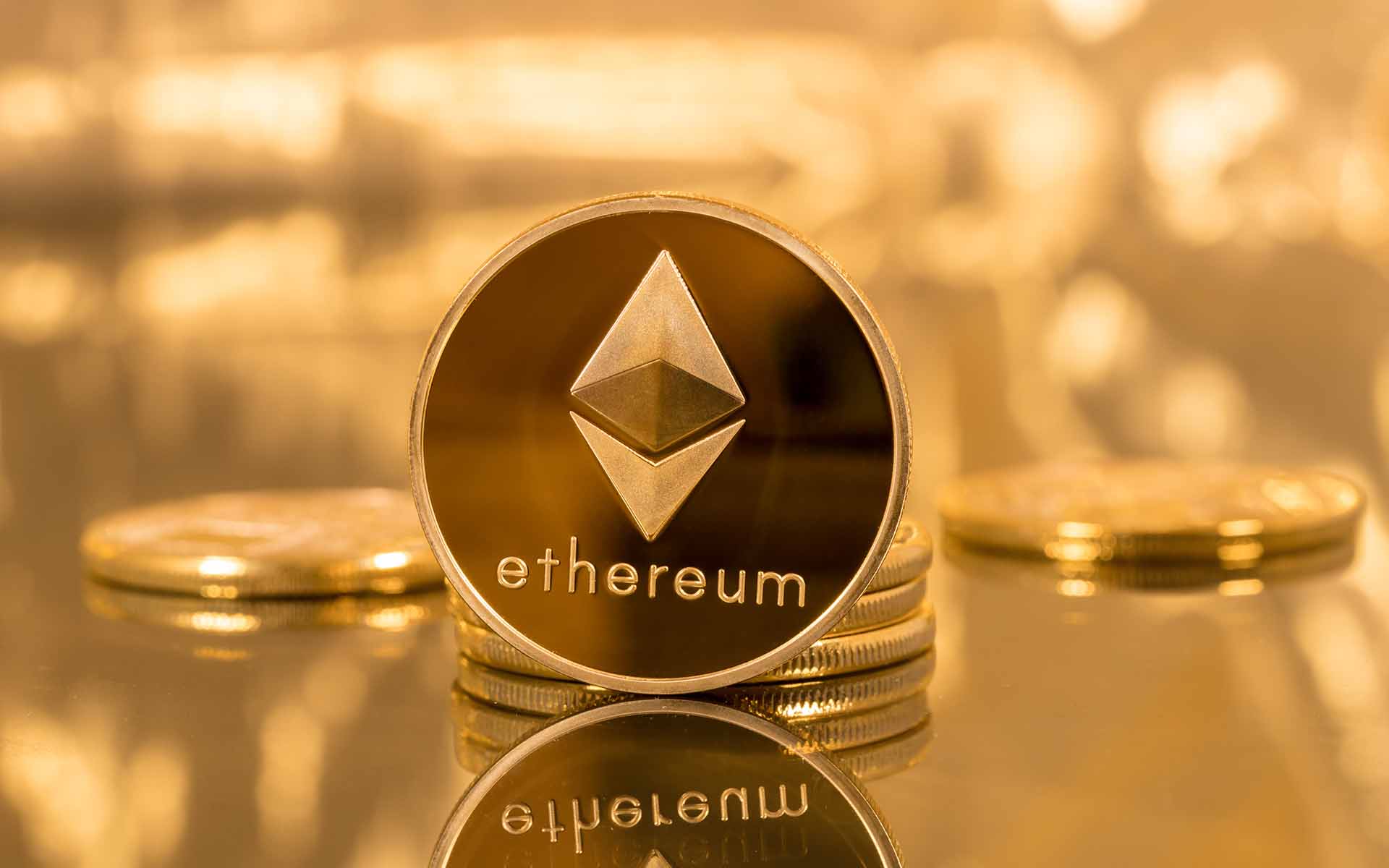
May 25, 2026

blockchain technology

Beginning with crypto coins explained, the narrative unfolds in a compelling and distinctive manner, drawing readers into a story that promises to be both engaging and uniquely memorable.

Crypto coins have revolutionized the way we think about money, transcending traditional banking systems and introducing a decentralized digital economy. This guide will delve into the origins of crypto coins, explore their diverse types, and illuminate how they operate, making it essential for anyone interested in understanding this transformative financial landscape.

Introduction to Crypto Coins

The advent of crypto coins has revolutionized the landscape of finance, offering new avenues for transactions in the digital economy. Crypto coins are decentralized digital currencies that leverage blockchain technology to operate without a central authority. Their significance lies in their ability to facilitate peer-to-peer transactions, ensure security through cryptographic protocols, and enhance financial inclusion globally.The history of crypto coins dates back to the creation of Bitcoin in 2009 by an anonymous entity known as Satoshi Nakamoto.

Bitcoin introduced the concept of a decentralized currency that operates on a blockchain, which is a secure and transparent ledger system. Over the years, the crypto space has evolved, leading to the emergence of thousands of alternative coins (altcoins) and tokens, each with unique features and functionalities that differentiate them from traditional fiat currencies.Key features that set crypto coins apart from traditional currencies include their decentralized nature, limited supply (in many cases), and the ability to facilitate near-instantaneous transactions across borders without the need for intermediaries.

These attributes make crypto coins an attractive option for users seeking autonomy over their financial transactions.

Types of Crypto Coins

There are several types of crypto coins, each serving different purposes within the cryptocurrency ecosystem. The primary categories include Bitcoin, altcoins, and tokens.

  • Bitcoin: As the first and most recognized cryptocurrency, Bitcoin serves primarily as a store of value and a medium of exchange. It is widely regarded as “digital gold” due to its scarcity and security.
  • Altcoins: These are any cryptocurrencies other than Bitcoin. Examples include Ethereum, which enables smart contracts and decentralized applications, and Litecoin, which offers faster transaction times.
  • Tokens: Tokens are created on existing blockchains and can represent assets or utilities within specific platforms. For instance, Chainlink tokens are used to connect smart contracts with real-world data.

The use cases of various crypto coins are diverse and continually expanding. Bitcoin is often used for online purchases or as an investment asset. Ethereum is prominent in the realms of decentralized finance (DeFi) and non-fungible tokens (NFTs), while various tokens can represent ownership or access to services within decentralized applications.

How Crypto Coins Work

The backbone of crypto coins is blockchain technology, a decentralized digital ledger that records transactions across multiple computers. Each transaction is grouped into blocks, which are then linked together in a chronological chain, ensuring transparency and security.Mining is a crucial process in the crypto ecosystem, particularly for coins like Bitcoin. It involves solving complex mathematical puzzles to validate transactions and add new blocks to the blockchain.

Miners are rewarded with crypto coins for their efforts, thus incentivizing the maintenance and security of the network.Security measures in crypto coin networks include cryptographic algorithms that protect transactions and user identities. The decentralized nature of blockchain also means that there is no single point of failure, reducing the risk of hacks or fraud.

Investing in Crypto Coins

What Is Cryptocurrency and How Does It Work? - NFTs, Blockchain Games ...

Investing in crypto coins involves several steps, beginning with setting up a digital wallet to store your coins. Following this, investors can purchase crypto coins through exchanges using traditional currencies or other cryptocurrencies.Potential risks associated with crypto coin investments include market volatility, regulatory changes, and security vulnerabilities. However, the rewards can be substantial, with many investors experiencing significant gains over time.

Different investment strategies exist within the crypto space. Long-term holding, often referred to as “HODLing,” focuses on buying and holding coins over an extended period, capitalizing on potential appreciation. Day trading, on the other hand, involves making quick trades to profit from short-term price movements.

The Regulatory Landscape for Crypto Coins

The regulatory environment for crypto coins varies significantly worldwide. Countries like El Salvador have embraced Bitcoin as legal tender, while others have implemented strict regulations or outright bans on cryptocurrency activities.Challenges posed by regulations include uncertainty regarding legal status, taxation implications, and compliance requirements for exchanges. Conversely, clear regulations can provide legitimacy to the crypto space, potentially attracting institutional investors and fostering growth.Regulations significantly impact the growth of crypto coins; they can either stifle innovation or create a framework that enables safe and secure trading.

The evolution of regulations will likely continue to shape the future of cryptocurrencies.

Future Trends in Crypto Coins

Emerging trends in the crypto coin market include decentralized finance (DeFi) and non-fungible tokens (NFTs). DeFi platforms are reshaping traditional financial services by offering lending, borrowing, and trading services without intermediaries. NFTs are revolutionizing ownership and value representation in the digital art and gaming sectors.Technological advancements, such as layer-2 solutions and more efficient consensus mechanisms, may significantly influence the future of crypto coins by improving scalability and transaction speeds.

Institutional adoption is poised to have a profound impact on the crypto coin ecosystem. As more institutions integrate cryptocurrencies into their portfolios, it could lead to increased market stability and the development of new financial products centered around crypto assets.

Resources for Learning About Crypto Coins

For those interested in delving deeper into the world of crypto coins, numerous resources are available. Reputable websites such as CoinDesk and CoinTelegraph provide news, analysis, and insights into the crypto market.Online courses from platforms like Coursera and Udemy cover a range of topics related to cryptocurrencies, from the basics to advanced trading strategies. Books like “The Bitcoin Standard” by Saifedean Ammous offer in-depth perspectives on the economics of Bitcoin.Podcasts like “The Pomp Podcast” and YouTube channels such as “DataDash” provide valuable commentary and interviews with industry experts, helping enthusiasts stay informed about the latest trends and developments in the crypto space.

Last Recap

What Is Cryptocurrency? How Is It Used? | Built In

As we conclude this exploration of crypto coins, it’s clear that they hold a significant place in the future of finance. From their historical roots to the cutting-edge technologies driving their evolution, understanding crypto coins is key to navigating the digital economy. Stay informed and engaged as these trends develop, and consider the impact they may have on your financial journey.

Frequently Asked Questions

What are crypto coins?

Crypto coins are digital currencies that use cryptography for secure transactions and operate on decentralized networks, primarily utilizing blockchain technology.

How do I start investing in crypto coins?

To start investing in crypto coins, choose a reliable cryptocurrency exchange, create an account, and fund it before selecting the coins you’d like to buy.

What are the risks of investing in crypto coins?

Investing in crypto coins involves risks such as market volatility, regulatory changes, and the potential for loss due to security breaches.

Can I use crypto coins for everyday purchases?

Yes, many businesses now accept crypto coins as a form of payment, allowing users to spend their digital currencies on everyday purchases.

What is the future of crypto coins?

The future of crypto coins appears promising with increasing institutional adoption, innovation in technology, and growing acceptance in various sectors.

ethereum us company takes center stage as we delve into the transformative journey of Ethereum in the American business landscape. With its groundbreaking technology, Ethereum is not just a buzzword; it’s a catalyst for innovation, reshaping how businesses operate across various sectors.

From driving technological advancements to influencing investment trends, Ethereum’s footprint is expanding rapidly among US companies. This exploration will uncover the regulatory landscape, practical applications, and the future potential of Ethereum in the corporate world, illustrating its significant role in modern business practices.

Understanding Ethereum’s Impact on US Companies

Ethereum has made a significant impact on the technology sector in the United States, driving innovation and reshaping how businesses operate. As a decentralized platform that enables smart contracts and decentralized applications (dApps), Ethereum is at the forefront of a technological revolution that is influencing various industries across the nation.The influence of Ethereum extends beyond just cryptocurrency; it serves as a catalyst for innovation, allowing US companies to explore new business models and improve operational efficiency.

Many companies have recognized the potential of Ethereum to streamline processes, enhance transparency, and reduce costs.

Influence of Ethereum on the Technology Sector in the US

Why Ethereum Is Popular - Inventiva

The technology sector in the US has witnessed substantial changes due to Ethereum’s introduction. Key innovations driven by Ethereum include:

  • Smart Contracts: Automated contracts that execute when predetermined conditions are met, improving speed and reducing the need for intermediaries.
  • Decentralized Finance (DeFi): A financial ecosystem built on Ethereum that offers services without traditional banks, allowing more access for users.
  • Tokenization: The ability to create digital representations of assets on the blockchain, enhancing liquidity for various sectors.

Key US Companies that Have Adopted Ethereum Technology

Several prominent US companies have embraced Ethereum, realizing its potential to transform their operations. Notable examples include:

  • Microsoft: Utilizing Ethereum for various blockchain-based services and applications.
  • IBM: Implementing Ethereum technology in supply chain solutions to enhance transparency and tracking.
  • Walmart: Exploring Ethereum for better inventory management and logistics tracking.

Regulatory Landscape for Ethereum in the US

The regulatory framework surrounding Ethereum is evolving as lawmakers and regulators strive to understand and manage the implications of blockchain technology. The current laws aim to balance innovation with consumer protection, but clarity is often lacking.Some challenges faced by US companies include navigating complex and sometimes inconsistent regulations. Compliance can be particularly difficult, especially with varying approaches taken by different states regarding Ethereum and blockchain technology.

Current Regulatory Framework Surrounding Ethereum in the United States

The regulatory landscape includes several key components:

  • Federal Regulations: The SEC has classified Ethereum as a commodity rather than a security, impacting how it is regulated.
  • State Regulations: Some states have more progressive laws supporting blockchain technology, while others are more restrictive.
  • Tax Implications: Businesses must navigate tax laws that apply to cryptocurrency transactions, which can vary significantly by jurisdiction.

Challenges for US Companies Regarding Compliance and Regulation

US companies face numerous challenges when it comes to regulatory compliance in relation to Ethereum:

  • Unclear Regulations: The lack of a unified regulatory framework can lead to confusion and potential non-compliance.
  • Cost of Compliance: Adhering to various regulations often requires significant financial resources and expertise.
  • Frequent Changes: Rapidly changing regulations can present a moving target for companies trying to stay compliant.

Use Cases of Ethereum Among US Companies

Numerous US companies are leveraging Ethereum technology to enhance their business operations. The versatility of Ethereum allows for various applications across different industries.

Specific Examples of US Companies Utilizing Ethereum

Several noteworthy examples illustrate how companies effectively use Ethereum:

  • Unispace: A workspace management company that uses Ethereum to streamline lease agreements through smart contracts.
  • ChainSafe Systems: A development company that builds Ethereum-based applications, focusing on decentralized solutions.
  • Everledger: A company utilizing Ethereum for tracking the provenance of diamonds using blockchain technology.

Industries Leveraging Ethereum Technology

Ethereum technology is being utilized across a variety of industries in the US:

  • Finance: Banks and financial institutions are exploring Ethereum for secure and transparent transactions.
  • Insurance: Companies are employing smart contracts for claims processing and policy management.
  • Healthcare: Ethereum is being used to manage patient records securely, enhancing data privacy and interoperability.

The Future of Ethereum in the US Market

The future of Ethereum in the US market looks promising, with significant trends expected to shape its adoption over the next decade. As the technology matures, so will its applications and relevance in various sectors.

Potential Trends for Adoption of Ethereum

Ethereum (ETH) Price Marks a Slight Increase as First Release of Casper ...

The following trends indicate how Ethereum will likely be adopted by US companies:

  • Increased Integration: More companies will integrate Ethereum into their existing systems, recognizing its potential for efficiency.
  • Broader Acceptance: As regulatory clarity improves, more businesses will be willing to explore Ethereum-based solutions.
  • Growth of DeFi: The DeFi sector is expected to continue expanding, offering new financial products and services.

Influence of Ethereum on Competitive Landscape

Ethereum could significantly influence the competitive landscape in various industries by:

  • Enabling New Market Entrants: Lower barriers to entry for startups can disrupt traditional business models.
  • Enhancing Efficiency: Companies adopting Ethereum can achieve operational efficiencies that give them a competitive edge.
  • Fostering Innovation: The collaborative nature of blockchain encourages innovation and shared solutions within industries.

Investment Opportunities Related to Ethereum

Investment trends focused on US companies involved with Ethereum are gaining traction as more venture capitalists see potential in this emerging technology.

Venture Capital Impact on Ethereum-Based Startups

Venture capital is playing a pivotal role in the growth of Ethereum-based startups, as seen in the following trends:

  • Increased Funding: A surge in investments directed toward blockchain technology and Ethereum solutions.
  • Accelerators and Incubators: Programs dedicated to nurturing blockchain startups, providing resources and mentorship.
  • Strategic Partnerships: Collaborations between traditional firms and blockchain startups to leverage Ethereum technology.

Comparison of Traditional vs. Blockchain-Based Investments

When comparing traditional investment models to blockchain-based investments in Ethereum-related companies, several distinctions arise:

  • Liquidity: Blockchain investments often provide enhanced liquidity through tokenization, allowing easier entry and exit from investments.
  • Transparency: Blockchain offers greater transparency in transactions, enhancing investor trust.
  • Decentralization: Unlike traditional investments, blockchain-based investments can operate without centralized control, reducing risks associated with management decisions.

Challenges and Risks for US Companies Using Ethereum

While Ethereum presents numerous opportunities, US companies must also be aware of the challenges and risks associated with its adoption.

Technical Challenges in Integrating Ethereum

US companies encounter various technical challenges when integrating Ethereum into their systems:

  • Scalability: As the user base grows, ensuring the network can handle an increased load is paramount.
  • Interoperability: Companies may struggle to integrate existing systems with the Ethereum blockchain effectively.
  • Security: Ensuring the security of smart contracts and blockchain applications is crucial to prevent hacks and exploits.

Volatility Risks in the Ethereum Market

The volatility of the Ethereum market poses significant risks for businesses:

  • Investment Value Fluctuations: Companies holding Ethereum as an asset face risks associated with sudden price changes.
  • Operational Costs: The costs associated with transactions on the Ethereum network can vary, impacting budgeting for projects.
  • Market Sentiment: The influence of market sentiment can lead to unpredictable trading behavior, affecting long-term planning.

Case Studies of Successful Ethereum Implementations

Numerous US companies have successfully implemented Ethereum projects, showcasing the platform’s potential.

Successful Ethereum Projects Launched by US Companies

A closer look at successful Ethereum initiatives reveals key factors contributing to their success:

  • Supply Chain Innovations: Companies like VeChain have leveraged Ethereum to enhance supply chain transparency, leading to reduced fraud and waste.
  • Decentralized Applications: Companies such as Golem have utilized Ethereum to create decentralized computing power marketplaces.
  • Real Estate Tokenization: Platforms like Propy have pioneered the use of Ethereum for real estate transactions, simplifying property ownership transfers.

Lessons Learned from Failures in Ethereum Implementations

While many projects have succeeded, there have also been failures that provide valuable lessons:

  • Lack of Market Research: Projects that failed to identify user needs often struggled to gain traction.
  • Overly Complex Solutions: Simplifying user experience was crucial for project success, as overly technical solutions deterred adoption.
  • Regulatory Missteps: Companies that did not anticipate regulatory challenges faced significant setbacks in their Ethereum implementations.

Last Recap

In conclusion, the rise of ethereum us company signifies a pivotal shift in the operational strategies of many American businesses. By embracing Ethereum, these companies are not only enhancing efficiency but also navigating the complexities of a rapidly evolving market. As we look ahead, the continued integration of Ethereum promises exciting opportunities and challenges that will shape the future of industries across the United States.

FAQ Resource

What is Ethereum?

Ethereum is a decentralized blockchain platform that enables smart contracts and decentralized applications (dApps) to be built and run without the need for a central authority.

How are US companies using Ethereum?

US companies are utilizing Ethereum for various purposes, including smart contracts, supply chain management, and digital asset creation, enhancing their operational efficiency and transparency.

What challenges do US companies face with Ethereum?

Challenges include regulatory compliance, market volatility, and technical integration issues, which can hinder the adoption of Ethereum in business processes.

Is Ethereum a good investment for US companies?

Investing in Ethereum can be promising due to its potential for growth, but it also carries risks, including price volatility and regulatory uncertainties.

What are smart contracts?

Smart contracts are self-executing contracts with the terms of the agreement directly written into code, allowing for automatic execution when conditions are met.