May 25, 2026

bitcoin purchase

Navigating the digital realm of cryptocurrency can be daunting, but understanding how to purchase Bitcoin with credit cards online is crucial for those seeking entry into this dynamic market. This guide provides a comprehensive overview of the process, from available platforms to crucial security considerations. We’ll explore the advantages and disadvantages of credit card transactions, highlighting alternative payment methods as well.

Choosing the right platform is vital, as security and user experience play significant roles in the Bitcoin purchasing journey. This exploration of various platforms will assist in making informed decisions. The guide also examines regulatory aspects and potential tax implications associated with Bitcoin purchases, offering a complete picture for potential buyers.

Introduction to Bitcoin Purchases with Credit Cards

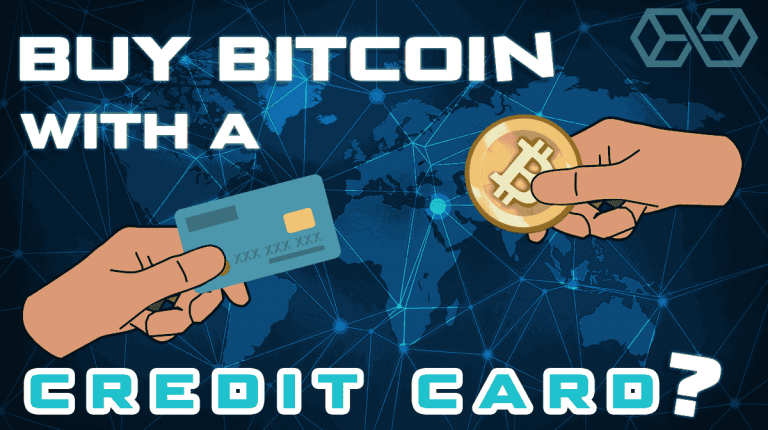
Buying Bitcoin with a credit card online has become increasingly popular, offering a convenient way to acquire this digital asset. This method, however, comes with specific considerations regarding security, fees, and speed. Understanding the available methods, typical steps, and associated trade-offs is crucial for making informed decisions.The ease of access provided by credit card purchases makes it a popular choice for both novice and experienced Bitcoin investors.

However, it’s essential to recognize the potential risks and rewards associated with this approach. Different platforms offer various features, and the selection of the most suitable method hinges on individual preferences and needs.

Methods for Bitcoin Purchases with Credit Cards

Various online platforms facilitate Bitcoin purchases using credit cards. These platforms typically offer different interfaces and features, impacting the overall experience. Key methods include direct exchanges and payment processors integrated with cryptocurrency platforms. Direct exchanges often provide a streamlined process for purchasing Bitcoin directly with a credit card, while payment processors may require a separate account.

Typical Steps in the Bitcoin Purchase Process

The typical steps involved in purchasing Bitcoin with a credit card are generally similar across platforms. Users typically initiate the process by selecting the desired amount of Bitcoin and providing credit card details. Security measures, such as two-factor authentication, are frequently implemented to enhance transaction security. Once verified, the transaction is processed, and the Bitcoin is credited to the user’s account.

Pros and Cons of Using Credit Cards for Bitcoin Purchases

Feature Pros Cons
Security Many platforms utilize robust security measures, including encryption and two-factor authentication, to protect user data and transactions. User data protection is paramount in the cryptocurrency realm. Credit card fraud is a concern. Users should carefully vet platforms for security certifications and user reviews. Compromised credit card information can result in significant financial loss.
Fees Fees can vary depending on the platform and the transaction amount. Some platforms may charge transaction fees or percentage-based fees on top of the exchange rate. Fees can add up, particularly for frequent transactions. The exchange rate can also affect the final cost, potentially impacting profitability. Carefully compare fees from different platforms.
Speed Transactions are generally processed quickly, allowing users to acquire Bitcoin within minutes, or hours in some cases. The speed of transaction processing varies depending on the platform’s infrastructure and transaction volume. Transaction speed can fluctuate depending on network congestion. Potential delays in the transaction processing could cause inconvenience. Users should anticipate potential delays.
Convenience Buying Bitcoin with a credit card is a convenient option for users who prefer a straightforward method of acquiring Bitcoin. The convenience factor is a major selling point for many users. Transaction limits and restrictions may apply. Credit card companies also have their own policies that may influence transactions. Users should check these policies to avoid unexpected issues.

Platforms for Bitcoin Purchases

Purchasing Bitcoin with a credit card often involves using specialized online platforms. These platforms act as intermediaries, facilitating the transaction between the user and the Bitcoin exchange. Choosing the right platform is crucial for a smooth and secure experience.

Popular Platforms for Bitcoin Purchases

Various platforms facilitate Bitcoin purchases using credit cards. Understanding the key features and reputations of these platforms is essential for making informed decisions. This section details some of the most popular and reputable platforms.

  • Coinbase: Coinbase is a widely recognized platform for buying and selling cryptocurrencies, including Bitcoin. It boasts a user-friendly interface and robust security measures. Coinbase offers various account types, allowing users to choose the one that best suits their needs and trading volume. The platform’s strong reputation and extensive support resources contribute to its popularity. While the platform may have slightly higher fees compared to other options, its comprehensive services and security often outweigh these costs for many users.

  • Kraken: Kraken is another established cryptocurrency exchange known for its advanced trading tools and wide range of supported cryptocurrencies. It offers competitive pricing and supports a large number of fiat currencies for depositing and withdrawing funds. Kraken is well-regarded for its security measures, which are important when dealing with digital assets. However, the platform might have a slightly steeper learning curve compared to Coinbase due to its more advanced features.

  • Binance: Binance is a global cryptocurrency exchange with a large user base and high trading volume. It’s known for its vast selection of cryptocurrencies and its competitive fees. Binance is a popular choice for experienced traders due to its comprehensive trading tools. However, its popularity and extensive features also mean a more complex user interface, requiring a greater level of familiarity with cryptocurrency trading.

Platform Comparison

Comparing different platforms involves examining factors like user experience, security measures, and transaction fees. Each platform has its strengths and weaknesses, and the best choice depends on individual needs and preferences.

Platform Pricing Structure Fees
Coinbase Typically tiered pricing based on transaction volume. Lower fees for higher volume transactions. Variable, dependent on transaction type and volume. Often slightly higher than other options.
Kraken Competitive pricing, often lower than Coinbase for certain transactions. Competitive fees, potentially lower than Coinbase for certain transactions.
Binance Very competitive pricing, particularly for high-volume traders. Very competitive fees, potentially lower than other options for large trades.

Security Considerations for Online Bitcoin Purchases

Buying Bitcoin with a credit card online presents a unique set of security challenges. While reputable platforms strive to protect user data, understanding the potential risks and implementing robust security practices is crucial for a safe transaction. This section delves into the security measures employed by platforms, the potential pitfalls, and how to safeguard your personal information during the process.A significant aspect of secure Bitcoin purchases is recognizing the inherent volatility and complexity of cryptocurrency transactions.

While reputable platforms aim to mitigate risks, users must also proactively protect themselves against fraud and scams. This section provides practical guidance for identifying and avoiding potential threats.

Security Measures Employed by Platforms

Reputable Bitcoin purchasing platforms implement various security measures to protect user information. These measures often include robust encryption protocols, multi-factor authentication, and regular security audits. Data encryption, like using SSL/TLS, safeguards sensitive data during transmission. Multi-factor authentication adds an extra layer of security, requiring users to verify their identity using multiple methods (e.g., password, security token). Platforms frequently conduct security audits to identify and address potential vulnerabilities.

Potential Risks Associated with Buying Bitcoin with Credit Cards Online

Several risks are associated with buying Bitcoin with credit cards online. These include phishing scams, fraudulent websites, and the potential for credit card fraud. Phishing attacks aim to deceive users into revealing personal information. Fraudulent websites may appear legitimate but are designed to steal sensitive data. The use of stolen or compromised credit cards for Bitcoin purchases is a significant risk.

Furthermore, the inherent volatility of cryptocurrency markets can result in significant financial losses if not carefully managed.

Strategies to Protect Personal Information During the Transaction Process

Protecting your personal information during Bitcoin transactions is paramount. Verify the platform’s legitimacy by checking for security certificates, positive user reviews, and reputable third-party ratings. Ensure that the website uses HTTPS, which indicates a secure connection. Be cautious of unsolicited emails or messages requesting personal information. Never share your credit card details or passwords with anyone over email or text.

Use strong and unique passwords for your accounts and enable two-factor authentication whenever possible.

How to Identify Fraudulent Websites or Scams Related to Bitcoin Purchases

Identifying fraudulent websites or scams is crucial to avoid financial losses. Look for suspicious URLs, poor grammar or spelling errors, and promises of unrealistic returns. Verify the platform’s legitimacy through independent research and reviews. Be wary of websites that request unusual or excessive personal information. Beware of websites that claim to be affiliated with major financial institutions without legitimate backing.

Examples of Security Protocols to Follow When Buying Bitcoin

Implementing robust security protocols is vital. Always use strong, unique passwords for your online accounts. Enable two-factor authentication whenever available. Do not use the same password for multiple accounts. Regularly update your software and operating systems to patch security vulnerabilities.

Avoid using public Wi-Fi networks for sensitive transactions. Be vigilant and suspicious of any unusual requests for personal information.

Regulations and Legal Aspects

The legal landscape surrounding Bitcoin purchases, especially those facilitated by credit cards, is constantly evolving. Different jurisdictions have varying regulations regarding cryptocurrencies, which significantly impacts the usability and accessibility of these platforms. Understanding these legal intricacies is crucial for both consumers and businesses involved in Bitcoin transactions.The legal status of Bitcoin as an asset and the tax implications associated with buying and selling it are key considerations.

Navigating these aspects can be challenging, and consumers need to be aware of the potential risks involved. This section explores the complexities of the legal and regulatory environment surrounding Bitcoin purchases using credit cards.

Legal and Regulatory Environment

Bitcoin’s legal status differs significantly across countries. Some countries view it as a currency, others as a commodity, and some treat it as a security. This disparity leads to varied regulations governing its use and trade. The regulatory environment directly impacts the availability of platforms for Bitcoin purchases. Some jurisdictions may impose restrictions or outright bans on certain types of Bitcoin transactions, impacting the ability of individuals to buy Bitcoin with credit cards.

Tax Implications

Tax treatment of Bitcoin transactions can vary greatly depending on the country and the specific transaction type. Governments are actively updating their tax codes to incorporate cryptocurrencies into their systems. This dynamic environment necessitates constant monitoring of tax laws to ensure compliance. Different jurisdictions have different approaches to taxing capital gains from Bitcoin purchases, potentially affecting the overall cost of acquiring Bitcoin using credit cards.

For instance, in the United States, Bitcoin is generally treated as property, and profits from its sale are subject to capital gains taxes.

Legal Standing of Bitcoin

Bitcoin’s legal standing as an asset is a complex issue, evolving as jurisdictions grapple with its unique characteristics. The lack of a universal definition and regulatory framework for cryptocurrencies leads to inconsistencies in its legal treatment. Different courts and regulatory bodies are issuing rulings and opinions on the classification of Bitcoin and its associated transactions. This lack of clarity can lead to uncertainties regarding the legal validity of Bitcoin purchases made with credit cards, especially in cross-border transactions.

Potential Legal Issues with Credit Cards for Bitcoin Purchases

Using credit cards for Bitcoin transactions may present specific legal issues, particularly if the transaction is conducted in a jurisdiction with stringent regulations. Credit card providers may impose restrictions on transactions involving cryptocurrencies, potentially blocking or charging higher fees for such activities. Consumers should be mindful of these possible restrictions and ensure they understand their credit card provider’s terms and conditions regarding cryptocurrency transactions.

Additionally, the legal framework surrounding credit card fraud and dispute resolution may not fully cover cryptocurrency-related transactions.

Alternatives to Credit Cards for Bitcoin Purchases

Beyond credit cards, various payment methods facilitate Bitcoin acquisitions. Choosing the right method hinges on individual needs and priorities, such as transaction speed, cost, and security. This section explores alternative payment methods, highlighting their advantages and disadvantages compared to credit cards.

Bank Transfers

Bank transfers, a conventional method for money transfers, offer a readily available pathway for Bitcoin purchases. Direct transfers from a linked bank account to a designated Bitcoin exchange account or wallet are commonplace.

Advantages:

  • Wide accessibility: Most individuals have access to bank accounts, making this a generally accessible option.
  • Often lower transaction fees: Compared to credit cards, bank transfers often incur lower fees, depending on the bank and the specific transfer method.
  • Traditional security measures: Leveraging existing banking infrastructure and security protocols adds an element of security.

Disadvantages:

  • Slower transaction speed: Bank transfers can take several business days to complete, which contrasts with the often near-instantaneous transactions facilitated by credit cards or cryptocurrency exchanges.
  • Limited control over immediate funds: Once funds are transferred, their availability to the buyer may be temporarily constrained by the transfer process.
  • Potential for fraud: While banks generally employ robust security measures, the risk of fraud is still present, though often less prevalent than in some other methods.

Cryptocurrency Exchanges

Cryptocurrency exchanges act as intermediaries, allowing users to buy and sell Bitcoin using various payment methods, including bank transfers and other cryptocurrencies. This approach offers a diverse range of payment options and often provides additional services, such as trading tools.

Advantages:

  • Convenience and flexibility: Exchanges offer a wide selection of payment options, accommodating different preferences and needs.
  • Direct access to trading tools: Users can leverage trading platforms for managing portfolios and engaging in further cryptocurrency activities.
  • Enhanced liquidity: Exchanges often provide higher liquidity compared to other methods, enabling faster transactions.

Disadvantages:

  • Potential security risks: While exchanges implement security measures, they are not immune to hacks or other vulnerabilities.
  • Fees and commissions: Transactions on exchanges often involve fees and commissions, which can vary depending on the exchange and the transaction type.
  • Learning curve: Utilizing cryptocurrency exchanges can necessitate some familiarity with cryptocurrency concepts and platforms.

Summary Table

Payment Method Pros Cons
Bank Transfer Wide accessibility, often lower fees, some traditional security Slower transaction speed, limited immediate fund control, potential for fraud
Cryptocurrency Exchange Convenience, flexibility, access to trading tools, enhanced liquidity Potential security risks, fees and commissions, learning curve

Buying Bitcoin – General Information

Bitcoin, a decentralized digital currency, has gained significant traction as a store of value and a medium of exchange. Understanding the process of acquiring Bitcoin, the platforms available, and its potential applications is crucial for anyone considering investing or using this cryptocurrency. This section provides a comprehensive overview.Acquiring Bitcoin involves a straightforward process, although specific steps and fees can vary depending on the platform used.

Users typically need to create an account, verify their identity, and fund their account with a suitable payment method, like a credit card or bank transfer. Once the funds are available, users can initiate a purchase order for a specified amount of Bitcoin.

Bitcoin Purchase Process Overview

The process for buying Bitcoin generally involves these steps:

  • Account Creation and Verification: Users typically need to create an account on a Bitcoin exchange platform and undergo verification procedures to comply with regulatory requirements.
  • Funding the Account: Users fund their account using a supported payment method (e.g., credit card, bank transfer). This is often a secure process with varying security protocols.
  • Bitcoin Purchase Order: Users place an order to purchase a specified amount of Bitcoin. The platform matches the order with a seller, and the transaction is executed.
  • Bitcoin Delivery: The Bitcoin is credited to the user’s account. The exact timing depends on the platform’s policies and network confirmation times.

Available Platforms for Bitcoin Purchases

Numerous platforms facilitate Bitcoin purchases, each with its own strengths and weaknesses. The most popular options include cryptocurrency exchanges like Coinbase, Kraken, and Binance, as well as some specialized platforms.

  • Cryptocurrency Exchanges: These platforms offer a wide range of cryptocurrencies, including Bitcoin, along with advanced trading tools. Examples include Coinbase, Kraken, and Binance. These exchanges often cater to both retail and institutional investors.
  • Specialized Bitcoin Purchase Platforms: Some platforms specialize in facilitating Bitcoin purchases, often focusing on ease of use and specific payment methods. They may offer faster transaction speeds or unique features compared to general cryptocurrency exchanges.
  • Peer-to-Peer (P2P) Platforms: P2P marketplaces connect buyers and sellers directly, often offering greater flexibility in terms of pricing and payment options. However, users need to be more cautious about security risks and scams in this category.

Benefits of Buying Bitcoin

Bitcoin offers potential advantages over traditional financial instruments.

  • Potential for Higher Returns: Bitcoin’s price has historically exhibited volatility, which can lead to substantial gains for investors. However, it also carries significant risk.
  • Decentralized Nature: Bitcoin operates independently of central banks, potentially offering greater financial freedom and reduced dependence on governmental regulations.
  • Global Accessibility: Bitcoin transactions can be conducted across borders, offering a potential solution for international payments.

Use Cases for Bitcoin

Bitcoin’s applications extend beyond traditional financial transactions.

  • Investment: Bitcoin is often treated as an investment asset, with investors hoping for price appreciation. However, its price volatility poses significant risks.
  • International Payments: Bitcoin can be used for cross-border transactions, potentially bypassing traditional banking systems. The speed and low transaction fees make it appealing for some international payments.
  • Hedge Against Inflation: Bitcoin’s limited supply has led some to view it as a hedge against inflation, although this is a complex and debated topic.

Overview of the Bitcoin Market

The Bitcoin market is a dynamic and volatile one, influenced by various factors.

  • Market Volatility: Bitcoin’s price fluctuates significantly, leading to both substantial gains and substantial losses for investors.
  • Regulatory Landscape: Governments worldwide are developing regulations regarding cryptocurrencies, which can impact the market’s stability and growth.
  • Technological Advancements: Innovations in blockchain technology and related areas can affect Bitcoin’s functionality and adoption.

Illustrative Examples of Transactions

Purchasing Bitcoin with a credit card involves a series of steps, each crucial for a secure and successful transaction. Understanding these steps, along with the potential risks and rewards, is vital for informed decision-making. This section will illustrate common transaction scenarios using a hypothetical example.

Hypothetical Transaction Scenario

Imagine a user, “Alice,” wants to buy 1 Bitcoin (BTC). Alice has a credit card and wishes to use a reputable platform for the transaction. She chooses a platform known for its security features.

Transaction Steps on a Hypothetical Platform

This example uses a hypothetical platform named “CryptoBuy.” The platform follows a standard process for credit card transactions, emphasizing security.

  • Step 1: Account Creation and Verification: Alice creates an account on CryptoBuy, providing necessary information. The platform verifies her identity and credit card details. This step ensures account security and compliance with regulations.
  • Step 2: Setting Up Payment Method: Alice links her credit card to her CryptoBuy account. The platform will confirm the credit card information and the transaction limit. This confirms the payment method’s legitimacy.
  • Step 3: Bitcoin Purchase Order: Alice specifies the amount of Bitcoin she wants to purchase (1 BTC). The platform displays the current market price of Bitcoin and the total cost. Alice reviews the details before proceeding.
  • Step 4: Authorization and Processing: The platform initiates an authorization request to Alice’s credit card issuer. This checks the availability of funds and the credit limit. Once authorized, the transaction proceeds.
  • Step 5: Funds Transfer and Confirmation: CryptoBuy transfers the funds to the Bitcoin exchange, and the transaction is recorded on the blockchain. Alice receives confirmation from the platform that the purchase is complete. This confirmation is a critical step ensuring the transaction has been successfully recorded.
  • Step 6: Bitcoin Wallet Address: CryptoBuy will guide Alice to enter her Bitcoin wallet address. This address is where the Bitcoin will be sent. It’s crucial to verify the address to avoid errors.
  • Step 7: Bitcoin Delivery: CryptoBuy confirms the delivery of Bitcoin to Alice’s wallet address. The Bitcoin is now in her control.

Illustrative Transaction Flow Diagram

A visual representation of the transaction flow, though not an image, is provided below.

Step Action
1 Account Creation & Verification
2 Payment Method Setup
3 Purchase Order
4 Authorization & Processing
5 Funds Transfer & Confirmation
6 Bitcoin Wallet Address
7 Bitcoin Delivery

Wrap-Up

In conclusion, purchasing Bitcoin with credit cards online offers a convenient route into the cryptocurrency market. However, understanding the diverse options, security measures, and potential risks is essential. By carefully considering the available platforms, security protocols, and alternative payment methods, individuals can navigate this process effectively and confidently. This guide has provided a robust overview to empower you in making informed choices in this exciting, evolving space.

Clarifying Questions

What are the typical fees associated with buying Bitcoin using a credit card?

Transaction fees vary depending on the platform. Some platforms charge a percentage of the Bitcoin purchase, while others may add a flat fee. It’s essential to review the platform’s pricing structure to understand the associated costs.

What security measures should I consider when purchasing Bitcoin online?

Prioritize platforms with robust security measures, such as encryption and two-factor authentication. Verify the platform’s reputation and legitimacy before proceeding with any transaction. Never share your personal or financial information on unverified or suspicious websites.

Are there any tax implications when buying Bitcoin with credit cards?

Yes, the tax implications depend on your jurisdiction. Consult with a financial advisor or tax professional to understand the tax treatment of Bitcoin purchases in your region.

What are some alternative payment methods for buying Bitcoin besides credit cards?

Alternatives include bank transfers and other cryptocurrency exchanges. Each method has its own advantages and disadvantages, which will be discussed in the detailed sections.
Bitcoin, a revolutionary digital currency, is gaining widespread adoption. This guide dives deep into the process of buying Bitcoin using Mastercard credit cards, exploring the various aspects, from the initial transaction to securing your digital holdings. We’ll uncover the advantages and disadvantages of this method, compare it to other options, and provide insights into the security measures you need to take.

Understanding the intricacies of buying Bitcoin with a Mastercard credit card can be crucial for navigating this exciting new financial frontier. This comprehensive overview will demystify the process, equipping you with the knowledge to make informed decisions.

Introduction to Bitcoin and Buying Methods

Bitcoin is a decentralized digital currency, meaning it operates independently of central banks or governments. Transactions are verified and recorded on a public ledger called a blockchain, ensuring transparency and security. This eliminates the need for intermediaries, potentially reducing transaction fees compared to traditional financial systems. Its value fluctuates based on supply and demand, making it a volatile but intriguing investment option.Bitcoin’s popularity has driven the development of various buying methods.

While initially acquired through mining, now users can purchase Bitcoin through exchanges, often utilizing credit cards or bank transfers. This accessibility has broadened Bitcoin’s reach, allowing individuals to participate in the cryptocurrency market without extensive technical knowledge. Understanding these methods is crucial for navigating the cryptocurrency landscape.

Bitcoin’s Evolution and Market Status

Bitcoin’s journey from its inception to its current status showcases its rapid evolution and impact on the financial world. Its initial launch marked a significant shift in the realm of digital currencies, introducing a new paradigm of decentralized finance. The early days were characterized by experimentation and a relatively small user base. Today, Bitcoin has gained widespread recognition, with a substantial market capitalization and a global network of users.

Its volatility, while a concern, also highlights the potential for substantial gains and underscores the dynamic nature of the cryptocurrency market.

Methods of Purchasing Bitcoin

Several methods facilitate Bitcoin purchases. A popular choice is using established cryptocurrency exchanges. These platforms typically provide secure environments for users to buy and sell cryptocurrencies. The increasing popularity of Bitcoin has led to a variety of options for purchasing, including credit card transactions. This direct credit card purchasing method has become a mainstream approach for many individuals to enter the cryptocurrency market.

Common Misconceptions about Bitcoin

Several misconceptions surround Bitcoin. One common misconception is that it’s a get-rich-quick scheme. While Bitcoin’s value can fluctuate, consistent returns are not guaranteed. Another common misconception is that Bitcoin is inherently volatile and risky. This volatility is a defining characteristic of any investment, not unique to Bitcoin.

It’s essential to approach Bitcoin investment with caution and due diligence.

Comparison of Bitcoin Exchange Platforms

The proliferation of Bitcoin exchange platforms presents a diverse range of options for users. The table below compares several platforms, highlighting their credit card purchase options. This allows users to assess which platforms best meet their needs.

Exchange Platform Credit Card Purchase Options Other Notable Features
Binance Yes, various cards accepted Large trading volume, diverse cryptocurrency selection
Coinbase Yes, user-friendly interface Widely recognized, excellent customer support
Kraken Yes, secure platform High-volume trading, advanced charting tools
Gemini Yes, regulated platform Excellent security measures, user-friendly interface

Buying Bitcoin with Mastercard Credit Cards

Purchasing Bitcoin using a Mastercard credit card is a convenient method for many users. However, it’s essential to understand the process, associated fees, and security considerations before initiating such a transaction. This method often involves third-party platforms that facilitate the exchange.The process typically involves using a cryptocurrency exchange platform that supports Mastercard credit card payments. This allows users to directly purchase Bitcoin using their credit card information, providing a straightforward approach to acquiring Bitcoin.

Security measures employed by these platforms are crucial for protecting user funds and personal information.

Transaction Process Overview

Understanding the steps involved in a Bitcoin purchase using a Mastercard is key to a smooth transaction. The process generally follows these stages:

  • Initiating the Purchase: The user selects the desired amount of Bitcoin to buy and confirms the transaction on the platform’s interface. They input their credit card details, and the platform verifies the card’s information.
  • Verification and Authorization: The platform verifies the user’s identity and the credit card’s validity with the issuing bank. This involves checking transaction limits and approving the purchase.
  • Bitcoin Transfer: Upon successful authorization, the platform transfers the purchased Bitcoin to the user’s designated wallet address. The transfer usually occurs within a few minutes or hours depending on the platform and network conditions.
  • Confirmation and Settlement: The transaction is confirmed on the Bitcoin blockchain, guaranteeing the transfer of ownership. The user receives confirmation that the Bitcoin has been credited to their account.

Security Measures

Robust security measures are paramount when handling sensitive financial transactions like buying Bitcoin with credit cards. These measures often include multi-factor authentication (MFA) to verify the user’s identity, encryption to protect data during transmission, and secure storage of sensitive information.

  • Secure Platform: Reputable cryptocurrency exchanges employ industry-standard security protocols to safeguard user funds and personal data. These include secure server infrastructure and robust encryption measures.
  • User Authentication: Multi-factor authentication (MFA) is often required to ensure only authorized users access accounts. This adds an extra layer of security beyond simple passwords.
  • Data Encryption: The transmission of credit card information and other sensitive data is typically encrypted to prevent unauthorized access.
  • Transaction Monitoring: Platforms may monitor unusual transaction patterns to detect and prevent fraudulent activities.

Fees Comparison

Fees associated with Bitcoin purchases using credit cards can vary based on several factors, including the platform, transaction amount, and credit card issuer. These fees are usually higher than those for other payment methods.

  • Credit Card Fees: Credit card providers typically charge a small percentage or a fixed fee for the transaction. These fees are often included in the overall transaction cost.
  • Platform Fees: The exchange platform may also charge a small fee for facilitating the Bitcoin purchase. These fees are usually transparent and disclosed on the platform’s website.
  • Bitcoin Network Fees: Transaction fees on the Bitcoin network are relatively low but can increase during periods of high network congestion.
  • Comparison to Other Methods: Using bank transfers or other payment methods often results in lower fees compared to using credit cards for Bitcoin purchases. However, the convenience of credit card transactions often outweighs the slightly higher cost.

Factors to Consider When Choosing a Platform

Several factors are essential when selecting a platform for buying Bitcoin with a Mastercard:

  • Security Measures: The platform’s security measures, including encryption and authentication protocols, should be robust and reliable.
  • Transaction Fees: Compare fees associated with credit card transactions and platform fees to find the most cost-effective option.
  • Customer Support: Excellent customer support is vital in case of any issues or questions.
  • User Interface: An intuitive and user-friendly interface simplifies the purchasing process.
  • Reputation and Reviews: Consider the platform’s reputation and user reviews to gauge its reliability.

Pros and Cons of Using Credit Cards

Pros Cons
Convenience of using a familiar payment method. Higher transaction fees compared to other methods.
Potentially faster transaction times. Risk of exceeding credit card spending limits.
Direct purchase without needing a separate account. Potential for higher interest rates if the balance is not paid in full.

Security and Risks Involved

Buying Bitcoin with credit cards, while convenient, presents inherent security risks. These risks stem from the inherent volatility of the cryptocurrency market and the potential for fraudulent activities. Understanding these risks and taking proactive measures is crucial for a safe Bitcoin transaction experience.Protecting yourself against these risks requires vigilance and awareness of the tactics employed by fraudsters. Thorough research and a cautious approach are essential to mitigate potential losses.

Security Risks Associated with Credit Card Transactions

Credit card details are vulnerable to theft and misuse if not handled with appropriate security measures. The security of your credit card information during Bitcoin purchases relies heavily on the security protocols of the exchange platform and your own due diligence. Poorly secured platforms can be exploited by malicious actors, leading to financial loss.

Potential for Fraud and Scams

Bitcoin purchases are not immune to scams. Phishing attacks, fake exchanges, and manipulated pricing are all potential threats. Scammers often target unsuspecting users with fraudulent websites or deceptive emails, attempting to steal personal information and financial assets. Always verify the legitimacy of any platform or individual involved in a Bitcoin transaction.

Protecting Yourself from Risks

Implementing robust security measures is vital to protect your assets. Use strong, unique passwords for all accounts, and enable two-factor authentication (2FA) wherever possible. Regularly monitor your credit card and bank statements for any unauthorized activity.

Verifying the Legitimacy of Bitcoin Exchanges

Thorough research is paramount when choosing a Bitcoin exchange. Look for reputable exchanges with a strong track record, positive user reviews, and robust security measures. Scrutinize the exchange’s terms of service and privacy policy for clarity and transparency. Check for security certifications and compliance with relevant regulations.

Real-World Examples of Security Breaches

Numerous instances of security breaches involving Bitcoin exchanges have occurred. These breaches often lead to significant financial losses for users. These events underscore the need for vigilance and the importance of choosing secure platforms. Examples include publicized hacks, where malicious actors exploit vulnerabilities in the platform’s security.

Essential Security Measures for Cryptocurrency Transactions

  • Use strong, unique passwords: Avoid easily guessed passwords. Employ a password manager to generate and store complex passwords securely.
  • Enable two-factor authentication (2FA): Adding an extra layer of security via 2FA makes it significantly harder for unauthorized access.
  • Regularly monitor your accounts: Actively track your Bitcoin and credit card accounts for any unusual activity.
  • Research and verify exchange legitimacy: Do not trust any exchange based on superficial information; conduct extensive research before initiating any transactions.
  • Avoid suspicious links or emails: Exercise extreme caution when clicking on links in emails or messages. Phishing attacks are prevalent in the cryptocurrency space.

Alternatives to Credit Card Purchases

How to Buy Bitcoin With Credit Card or Debit Card Instantly With ...

Beyond credit cards, various methods facilitate Bitcoin acquisition. These alternatives offer diverse advantages and disadvantages, impacting both convenience and cost-effectiveness. Understanding these options is crucial for informed Bitcoin investment decisions.

Bank Transfers

Bank transfers provide a straightforward method for acquiring Bitcoin. This involves initiating a transaction from your bank account to a designated Bitcoin exchange or wallet. The process often requires verification procedures, which can vary depending on the specific platform.

  • Advantages: Often a secure and reliable method, especially for established users with strong banking relationships. Potentially lower transaction fees compared to other options.
  • Disadvantages: May be subject to processing times, which can vary considerably depending on the bank and the recipient’s institution. Potential for delays in receiving Bitcoin.

Peer-to-Peer (P2P) Exchanges

P2P exchanges connect buyers and sellers directly, facilitating Bitcoin transactions outside traditional exchanges. This approach offers greater flexibility in terms of pricing and negotiation, but also comes with inherent risks.

  • Advantages: Potential for lower fees compared to traditional exchanges, enabling greater control over the transaction process. Allows direct interaction with sellers.
  • Disadvantages: Higher risk of fraud or scams due to the lack of intermediary protection. Requires due diligence and caution to mitigate risks.

Other Payment Methods

Other payment methods, such as bank wire transfers, prepaid cards, or even gift cards, can be employed for Bitcoin purchases. These methods can be valuable alternatives for certain individuals, depending on the circumstances.

  • Advantages: Flexibility and potentially lower fees in specific situations. Could be suitable for those seeking alternative payment methods.
  • Disadvantages: Varying degrees of security and reliability depending on the method. Potential for fraud or issues with verification processes.

Regulatory Environment

The regulatory environment surrounding Bitcoin purchases is dynamic and varies by jurisdiction. Governments worldwide are developing policies and frameworks to address the unique characteristics of cryptocurrencies.

  • Discussion: Different jurisdictions impose varying levels of regulation. Some countries have clear guidelines for Bitcoin exchanges, while others are still developing their policies.

Tax Implications

Bitcoin transactions are subject to tax regulations, which can vary significantly depending on the individual’s location and the specific nature of the transaction.

  • Detail: Tax implications for Bitcoin transactions are complex. Individuals must adhere to the tax laws of their respective jurisdictions.

Comparison Table

Buying Method Convenience Cost-Effectiveness Security
Credit Card High Moderate (high fees possible) Moderate (risks exist)
Bank Transfers Moderate High (often low fees) High
P2P Exchanges Variable Variable (potentially low fees) Low (higher risk)
Other Payment Methods Variable Variable Variable

Buying Bitcoin

Bitcoin, a decentralized digital currency, has gained significant traction in recent years. Its value fluctuates, and buying it involves navigating a few key steps. Understanding the processes involved in acquiring Bitcoin is essential for anyone considering this investment.

Cryptocurrency Exchanges

Cryptocurrency exchanges are platforms that facilitate the buying and selling of digital currencies like Bitcoin. They act as intermediaries, allowing users to convert fiat currency (like USD) into Bitcoin and vice versa. These platforms typically offer various features, such as trading tools, order books, and deposit/withdrawal options. Exchanges provide a convenient way to access the Bitcoin market, although they may impose fees on transactions.

User security and the platform’s reputation are critical considerations when choosing an exchange.

Bitcoin Wallets

Bitcoin wallets are essential for storing and managing your Bitcoin holdings. They function as digital containers for your Bitcoin, acting as your personal accounts for interacting with the Bitcoin network. These wallets can be either software-based (installed on your computer or mobile device) or hardware-based (physical devices designed for secure storage). The type of wallet you choose depends on your individual needs and security preferences.

Creating a Bitcoin Wallet

Creating a Bitcoin wallet typically involves a few simple steps. These steps often include registering an account with the chosen wallet provider, verifying your identity, and generating a unique Bitcoin address. The address is crucial for receiving Bitcoin transactions. Once created, you can store and manage your Bitcoin using the chosen wallet platform. A secure and trustworthy wallet provider is crucial for safeguarding your Bitcoin.

Choosing a Secure Bitcoin Wallet

Several factors influence the security of a Bitcoin wallet. A secure wallet employs robust encryption to protect your private keys. These keys are essential for accessing and controlling your Bitcoin. Thorough research and user reviews of various wallet providers are necessary for choosing a secure option. Look for wallets with strong security features, a user-friendly interface, and good customer support.

Security audits and transparency about security measures are crucial indicators of a reliable wallet provider.

Bitcoin Wallet Types

Different types of Bitcoin wallets cater to various user needs and security preferences. A comparison of popular types is Artikeld in the table below.

Wallet Type Description Security Ease of Use
Software Wallet Installed on a computer or mobile device. Medium to High (depends on implementation) High
Hardware Wallet A physical device designed for secure storage. High Medium
Web Wallet Accessed through a website. Low to Medium (depends on the provider) High

This table highlights the diverse options available for storing your Bitcoin. Each wallet type has different strengths and weaknesses. Consider your needs and risk tolerance when making a choice.

Securing Your Bitcoin Wallet

Securing your Bitcoin wallet is paramount. Strong passwords, multi-factor authentication, and regular backups are essential security measures. Never share your private keys with anyone, as they grant access to your Bitcoin holdings. Staying informed about potential security threats and adopting proactive security measures will protect your Bitcoin. Vigilance and awareness are key to preserving your Bitcoin investments.

Transaction Fees and Costs

Buying Bitcoin involves various fees, which can significantly impact the overall cost of your purchase. Understanding these fees is crucial for making informed decisions and maximizing your returns. Different platforms and methods employ varying fee structures, and it’s essential to factor these costs into your Bitcoin acquisition strategy.Transaction fees are not a fixed amount; they fluctuate based on several variables.

The cost of buying Bitcoin through various channels is influenced by factors such as network congestion, the platform’s fee structure, and the chosen payment method.

Fee Structures and Calculation Methods

Transaction fees for Bitcoin purchases are typically structured in a way that considers factors like network congestion and platform service fees. Different exchanges and payment processors use distinct methodologies to calculate these costs. For example, some platforms charge a flat fee per transaction, while others employ a percentage-based system that varies with the amount of Bitcoin being purchased.

Understanding these methods is key to evaluating the total cost.

Comparison of Transaction Fees Across Platforms

Different Bitcoin exchanges and platforms have varying fee structures. Some platforms charge a flat fee for every transaction, while others apply a percentage-based fee calculated on the total transaction amount. The fee structure can vary significantly between exchanges, and it’s essential to compare these structures before making a purchase. Transparency in fee disclosure is critical when selecting a platform.

Example Transaction Fees

To illustrate, consider a scenario where you want to buy 1 Bitcoin. Using a platform with a flat fee of $10, the total cost would be the purchase price of 1 Bitcoin plus $10. If the exchange charges 0.5% as a percentage-based fee, the fee would be higher for larger purchases.

Factors Influencing Transaction Costs

Several factors influence transaction costs. Network congestion on the Bitcoin blockchain can lead to higher fees. Different exchanges and payment methods have different fee structures, and the amount of Bitcoin being purchased can also influence the total cost. Furthermore, the time of day or day of the week can affect network congestion and fees.

Comparison Table of Exchange Platform Fees

Exchange Platform Fee Structure Example Fee (for 1 BTC purchase)
Exchange A Flat fee of $15 $15
Exchange B 0.5% of transaction amount Approximately $400 (assuming $80,000 purchase price for 1 BTC)
Exchange C 0.25% of transaction amount Approximately $200 (assuming $80,000 purchase price for 1 BTC)
Exchange D 0.1% + $5 Approximately $205 (assuming $80,000 purchase price for 1 BTC)

Note: Prices for 1 BTC and the example fees are based on hypothetical current market values. Actual fees may vary.

Regulatory Landscape and Legal Aspects

The legal and regulatory landscape surrounding Bitcoin is constantly evolving, presenting both opportunities and challenges for users and businesses. Navigating this complex environment requires a clear understanding of the varying rules and regulations across different jurisdictions. This section will explore the legal framework surrounding Bitcoin purchases, highlighting key considerations and potential risks.

Legal and Regulatory Environments

The legal treatment of Bitcoin varies significantly across countries and regions. Some jurisdictions have embraced cryptocurrencies with specific regulations, while others remain hesitant or unclear on their stance. This divergence in legal frameworks significantly impacts the way Bitcoin can be used and traded. For instance, some countries have designated Bitcoin as a currency, while others categorize it as a commodity or a security, which affects how it is taxed and regulated.

Different Laws and Regulations

The laws and regulations concerning Bitcoin are diverse, depending on the country or region. For example, the United States has a patchwork of regulations, with the Securities and Exchange Commission (SEC) playing a crucial role in defining Bitcoin’s legal status. Similarly, in the European Union, various regulations are in place, impacting how Bitcoin is handled and traded within the region.

  • The United States: The SEC’s stance on Bitcoin and other cryptocurrencies has been a source of ongoing debate and uncertainty. Certain cryptocurrencies have been deemed securities, requiring registration with the SEC, while others are treated as commodities, governed by the Commodity Futures Trading Commission (CFTC). This creates a complex and potentially inconsistent legal environment.
  • The European Union: The EU has adopted several regulations concerning crypto assets, including MiCA (Markets in Crypto Assets). MiCA aims to create a harmonized regulatory framework for cryptocurrencies, aiming to balance innovation with investor protection. However, specific application and enforcement can differ across member states.
  • China: China has implemented strict regulations and restrictions on cryptocurrency trading and mining. These policies have resulted in the closure of many cryptocurrency exchanges and limitations on access to Bitcoin-related services.

Implications for Users and Businesses

The implications of these varying regulations for users and businesses are significant. Users must carefully research the local laws and regulations governing Bitcoin in their specific jurisdiction to avoid potential legal issues. Businesses dealing with Bitcoin transactions need to ensure they comply with all relevant regulations to avoid penalties or legal disputes. For instance, if a user buys Bitcoin in a jurisdiction that categorizes it as a security, they might be subject to different tax obligations than in a jurisdiction where it’s treated as a commodity.

Comparison of Regulations in Different Countries

Comparing the regulations in different countries reveals significant differences in approach and stringency. Some countries have explicitly banned Bitcoin or placed severe restrictions on its use, while others have embraced it and developed clear regulatory frameworks. These varying approaches reflect different societal views and economic considerations. A country’s economic reliance on traditional finance might impact its approach to cryptocurrency regulation.

Potential Legal Risks for Users

Potential legal risks for Bitcoin users include non-compliance with local laws and regulations, tax issues related to Bitcoin transactions, and fraud or scams. A thorough understanding of the legal environment is critical to mitigate these risks. A crucial aspect is to use reputable exchanges and services that adhere to the local regulations.

Table: Legal Considerations for Buying Bitcoin

Jurisdiction Primary Regulatory Body Bitcoin Classification Key Legal Considerations
United States SEC, CFTC Security or Commodity Compliance with registration requirements; tax implications
European Union MiCA Crypto Asset Harmonized framework for crypto assets; investor protection
China Central Bank Restricted Strict limitations on trading and mining

Future of Bitcoin and Credit Card Purchases

The Bitcoin market is dynamic, constantly evolving with technological advancements and regulatory shifts. Predicting the precise trajectory of Bitcoin and credit card usage is inherently complex, but analyzing current trends and potential developments provides a clearer picture of the future landscape. This section explores potential future trends in Bitcoin adoption, the impact of new technologies, and the evolution of credit card use for Bitcoin purchases.

Future Trends in the Bitcoin Market

The Bitcoin market is characterized by periods of volatility and significant price fluctuations. These fluctuations are often driven by factors like regulatory changes, technological advancements, and market sentiment. Emerging technologies like layer-2 solutions and the increasing adoption of decentralized finance (DeFi) platforms are expected to significantly impact Bitcoin’s functionality and usability.

Potential for Growth and Adoption

Bitcoin’s potential for growth hinges on factors like increased mainstream adoption, particularly in emerging markets, and the development of user-friendly interfaces. The growing popularity of cryptocurrency-focused investment platforms and the increasing presence of Bitcoin in institutional portfolios are encouraging signs of wider adoption. Real-world examples, such as Bitcoin’s acceptance by some businesses and the rise of Bitcoin ETFs, point to increasing legitimacy and acceptance.

Impact of New Technologies on Bitcoin Transactions

Innovations in blockchain technology, such as the development of more efficient consensus mechanisms and the implementation of layer-2 scaling solutions, are poised to enhance transaction speeds and reduce transaction costs. These advancements will likely contribute to increased accessibility and usability for both institutional and retail investors. Faster and cheaper transactions are key to broadening Bitcoin’s appeal.

Future of Credit Card Usage for Bitcoin Purchases

The integration of credit cards for Bitcoin purchases is currently expanding rapidly, driven by increasing demand from consumers and the development of secure payment gateways. As the market matures, we can expect further refinement in the security and user experience surrounding these transactions. Expect more options and increased convenience for buyers.

Potential for Regulations to Change

Regulatory landscapes surrounding cryptocurrencies are constantly evolving. Changes in regulations can significantly influence the adoption and accessibility of Bitcoin. For example, favorable regulatory frameworks in certain regions can spur rapid growth, while stringent regulations can impede adoption. The evolving legal and regulatory environment is critical to understanding future potential.

Possible Future Scenarios for Bitcoin and Credit Card Usage

Scenario Bitcoin Market Trend Credit Card Usage Trend Impact
High Adoption Widespread adoption by individuals and institutions, potentially leading to Bitcoin becoming a mainstream asset class. Increased usage of credit cards for Bitcoin purchases, with more options and improved user experience. Significant growth in the cryptocurrency market, potentially leading to mainstream acceptance and wider financial inclusion.
Regulatory Uncertainty Fluctuations in market sentiment and price volatility due to unpredictable regulatory actions. Limited growth in credit card usage for Bitcoin purchases, with potential delays and restrictions. Increased market risk and uncertainty, impacting the speed of adoption.
Technological Advancement Significant advancements in blockchain technology, leading to enhanced transaction efficiency and security. Increased usage of credit cards for Bitcoin purchases, driven by more secure and streamlined payment gateways. Potential for faster and more accessible Bitcoin transactions, increasing overall usability.

Final Summary

In conclusion, buying Bitcoin with a Mastercard credit card presents both opportunities and risks. This guide has provided a comprehensive overview of the process, highlighting the importance of security, fees, and alternative methods. By carefully considering the factors presented, you can make informed choices about entering the world of cryptocurrencies.

Question Bank

What are the typical transaction fees for buying Bitcoin with a Mastercard?

Transaction fees vary depending on the exchange platform and the amount of Bitcoin purchased. Some platforms may charge a percentage of the transaction amount, while others might have flat fees. It’s crucial to check the specific fees on the platform you’re considering.

Are there any security measures I should take to protect my credit card information when buying Bitcoin?

Absolutely. Always use secure and reputable platforms. Look for platforms with strong encryption and secure payment gateways. Never share your credit card information with untrusted sources, and monitor your credit card statements closely for any unauthorized transactions.

What are some alternatives to using a credit card for buying Bitcoin?

Alternatives include using bank transfers, peer-to-peer (P2P) platforms, or buying Bitcoin through other payment methods. Each method comes with its own advantages and disadvantages regarding speed, fees, and security.

What are the legal implications of buying Bitcoin in my country?

Cryptocurrency regulations vary by country. Research the specific laws and regulations in your jurisdiction to understand any potential implications for your Bitcoin transactions.